

zkML Private Memory for AI Agents: Verifiable Tamper-Proof Storage Tutorial

As AI agents proliferate across decentralized networks and personal devices, their capacity to maintain private, tamper-proof memory assumes profound significance. In my years applying zkML to confidential forecasting in global markets, I’ve witnessed how unsecured storage undermines trust in autonomous systems. zkML private memory addresses this by fusing zero-knowledge proofs with machine learning, enabling verifiable AI agent storage that resists tampering while preserving data privacy. This tutorial explores constructing such systems, drawing on recent innovations to empower developers in crafting secure AI agent memory zkML solutions.

Key zkML Innovations
-

Jolt Atlas: Extends Jolt proving system for ONNX tensor operations in zkML inference, enabling zero-knowledge proofs in memory-constrained environments via BlindFold technique.
-
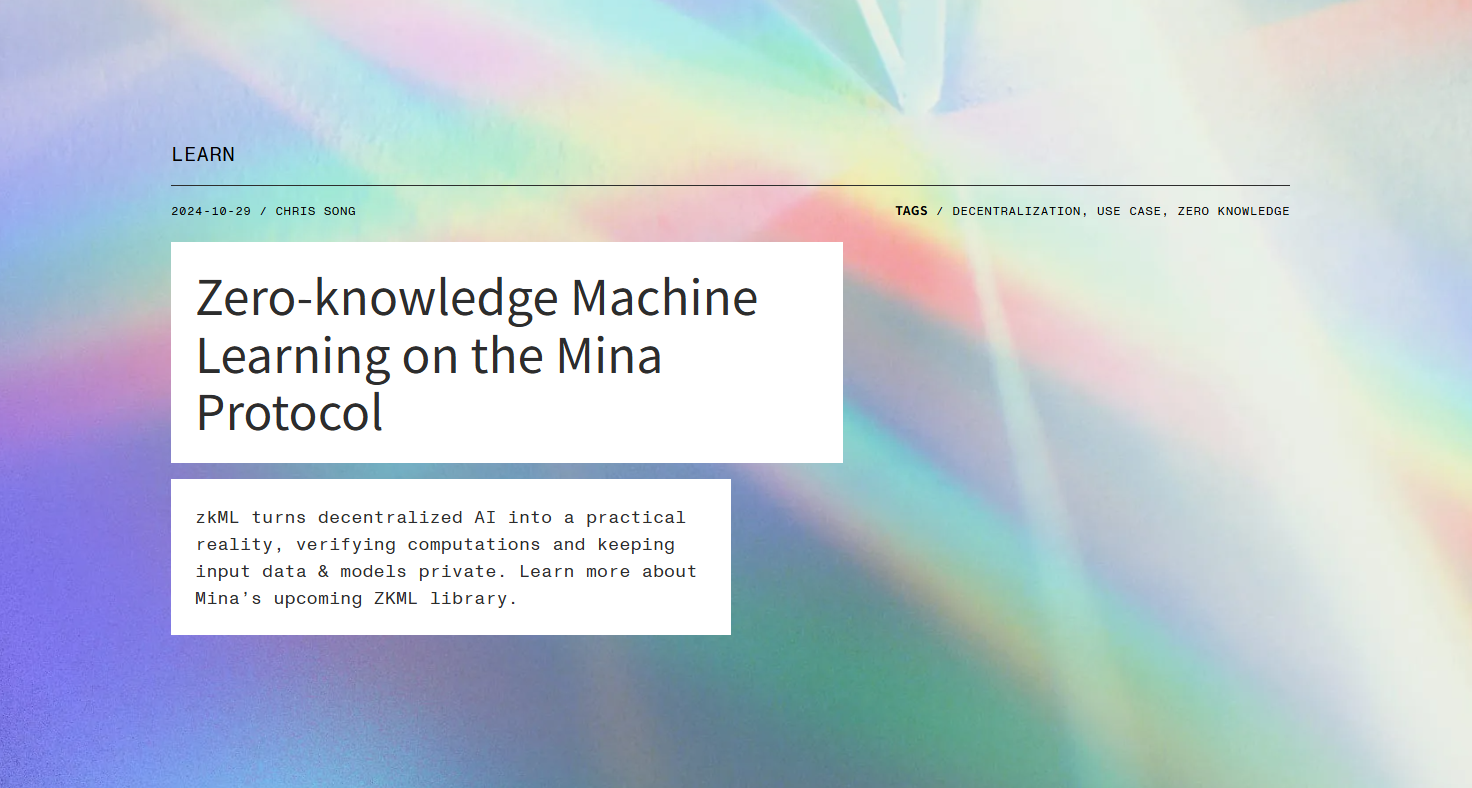
Mina’s zkML Library: Converts ONNX AI models into ZK proof circuits for verifiable, privacy-preserving inference settled on Mina blockchain.
-
Right to History: Ensures tamper-evident AI agent records via Merkle trees, capability isolation, and human approval in PunkGo kernel.
-
Artemis: Efficient Commit-and-Prove SNARKs for zkML, reducing prover costs in commitment verification for large models.
-

Kinic: Leverages ZK proofs and LLMs for tamper-proof, user-controlled AI memory storage on Internet Computer Protocol.
Consider the vulnerabilities inherent in conventional AI memory: mutable state logs susceptible to alteration, opaque inference histories that invite disputes, and centralized repositories prone to breaches. These flaws erode the reliability essential for AI agents in high-stakes environments, from financial analytics to personalized health advisors. Zero-knowledge proofs AI privacy mechanisms offer a remedy, attesting to the integrity of computations without exposing underlying data. Reflecting on institutional deployments, I’ve seen how tamper-proof zkML data transforms skepticism into confidence, allowing agents to evolve without forfeiting verifiability.
Navigating Core Challenges in AI Agent Persistence
AI agents demand memory that endures across sessions, yet traditional databases falter under privacy scrutiny. Without cryptographic commitments, adversaries can inject false recollections, skewing decision paths. zkML intervenes here, leveraging succinct non-interactive arguments of knowledge (SNARKs) to prove memory states align with predefined rules. For instance, Merkle tree structures, fortified by zero-knowledge proofs, ensure every append-only operation is auditable. This approach mirrors the conservative strategies I advocate in macro narratives: low-risk, fundamentally sound preservation over speculative volatility.
Recent scholarship underscores these imperatives. The principle of “Right to History, ” as articulated in PunkGo implementations, posits that users deserve tamper-evident records of agent actions on sovereign hardware. Coupled with capability-based isolation, this fosters verifiable AI agent storage immune to retroactive manipulation. My perspective, honed through zkML papers on institutional analytics, emphasizes that such systems not only mitigate risks but cultivate emergent trust economies, where agents collaborate sans central arbiters.
Key zkML Frameworks for Private Memory
-

Jolt Atlas: Extends Jolt proving system to zkML model inference via lookup-centric ONNX tensor operations, enabling zero-knowledge proofs in memory-constrained settings through BlindFold. Ideal for privacy-centric environments. Source
-

Mina zkML Library: Developer tools to convert ONNX AI models into ZKP circuits, settling proofs on Mina blockchain for verifiable, privacy-preserving inference. Source
-
Right to History in PunkGo: Ensures tamper-evident AI agent records via Merkle trees, capability isolation, and human approval in Rust kernel, affirming user sovereignty over verifiable history. Source
-
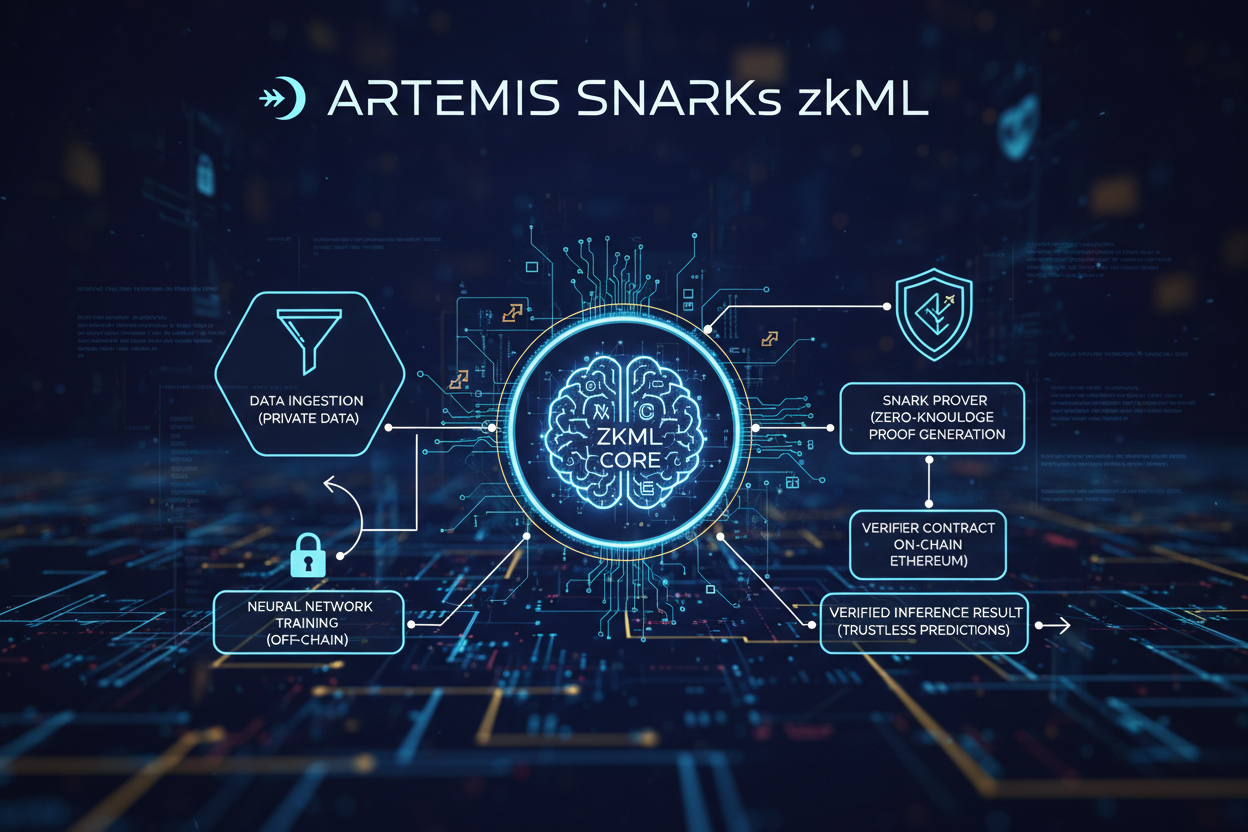
Artemis SNARKs: Commit-and-Prove SNARKs optimizing zkML commitment verification with Apollo and Artemis constructions, slashing prover costs for large models. Source
-
Kinic on ICP: Leverages ZKPs and LLMs for on-chain, user-controlled, tamper-proof AI memory storage on Internet Computer Protocol. Source
Jolt Atlas and the Evolution of zkML Inference Memory
At the vanguard stands Jolt Atlas, a zkML framework extending the Jolt proving system to ONNX tensor operations. By adopting a lookup-centric paradigm, it sidesteps CPU register complexities, streamlining memory consistency checks. Proving inference in constrained environments, Jolt Atlas integrates BlindFold for zero-knowledge, yielding practical latencies across diverse models. This resonates with my reflective assessment of zkML’s trajectory: from theoretical promise to deployable reality, ideal for adversarial settings where privacy reigns supreme.
Complementing this, Mina’s zkML Library equips developers to circuitize ONNX models, settling proofs on the Mina blockchain for perpetual verifiability. Imagine an AI agent archiving market forecasts; with Mina, stakeholders confirm computations sans data revelation, echoing the privacy-preserving analytics I’ve championed at zkmlai. org. Artemis further refines this ecosystem via Commit-and-Prove SNARKs, slashing prover overheads for large-scale commitments. These tools collectively forge tamper-proof zkML data pathways, indispensable for secure AI agent memory zkML architectures.
Kinic’s On-Chain Vision for User-Controlled AI Recall
Venturing into blockchain-native memory, Kinic harnesses zero-knowledge proofs alongside large language models on the Internet Computer Protocol. Data resides on-chain, accessible solely via user keys, birthing a trustless economy for AI persistence. This user-sovereign model aligns with my conservative ethos: decentralize control to fortify resilience. In practice, agents store episodic memories as ZK-attested blobs, querying them privately to inform future actions. Such innovations propel zero-knowledge proofs AI privacy beyond inference, embedding it in storage fabrics.
Initiating a zkML private memory prototype begins with selecting a framework like Jolt Atlas. Developers model agent state as a committed vector, appending via Merkle proofs. Subsequent sections delve into code integration, but preliminarily, grasp that verifiability stems from recursive composition: each memory update yields a SNARK linking prior roots. This layered assurance, I’ve observed in bond forecasting simulations, sustains long-term coherence amid flux.
Transitioning from theory to practice requires a structured blueprint for zkML private memory integration. Developers first install dependencies for a chosen framework, such as Jolt Atlas, configuring ONNX runtimes alongside SNARK libraries. This foundation enables modeling agent memory as an append-only log, where each entry commits to a Merkle root updated via zero-knowledge proofs. In my simulations for bond yield predictions, this method preserved historical accuracy against simulated adversarial rewrites, underscoring its robustness for verifiable AI agent storage.
Step-by-Step Assembly of Tamper-Proof Memory Circuits
Commence by defining the memory schema: episodic states as tensors hashed into Merkle leaves. Jolt Atlas excels here, lookup-optimizing tensor commitments without register overheads. Encode updates as circuits verifying prior root inclusion and fresh hashing. Provers generate SNARKs attesting compliance, while verifiers inspect succinct proofs against public roots. Kinic augments this on ICP, encrypting LLM-derived memories on-chain with user keys, ensuring secure AI agent memory zkML that scales trustlessly.
Right to History principles, realized in PunkGo, enforce this via Rust kernels with energy budgets and human vetoes, yielding tamper-proof zkML data sovereign to users. Artemis SNARKs optimize commitments, vital for voluminous agent histories. Reflecting on global market deployments, these layers mirror conservative risk hedging: each proof a bulwark against volatility in agent behaviors.
Code Integration: Merkle-Proofed Memory Append
Practical implementation hinges on concise circuits. Below, a snippet illustrates appending to a Merkle-backed memory store using a simplified zkSNARK interface, adaptable to Mina’s library or Jolt Atlas. This pseudocode emphasizes the recursive proof composition central to zero-knowledge proofs AI privacy.
Verifiable Memory Append in Rust
In the architecture of zkML private memory for AI agents, the append operation must preserve verifiability while concealing the data’s content. This Rust snippet exemplifies such an append, where we reflect on the delicate balance between computational efficiency and cryptographic soundness, employing a Merlin transcript to drive the Fiat-Shamir transform for non-interactive proofs.
```rust
use merlin::Transcript;
use ark_snark::Proof;

/// Appends new data to the zkML private memory Merkle tree,
/// generating a verifiable SNARK proof of correct append.
fn append_memory(root: &[u8], data: &[u8]) -> (Vec, Proof) {
    let mut transcript = Transcript::new(b"zkml_memory_append");

    // Commit old root and new data to transcript
    transcript.append_message(b"old_root", root);
    transcript.append_message(b"data", data);

    // Compute new Merkle root after append (simplified; use full Merkle lib in practice)
    let hash_data = blake3::hash(data).as_bytes().to_vec();
    let new_root = merkle_append(root.to_vec(), hash_data); // Assume merkle_append impl

    // Commit new root
    transcript.append_message(b"new_root", &new_root);

    // Generate proof of correct append (placeholder for Groth16 or similar)
    let proof = generate_append_proof(&transcript, root, data, &new_root);

    (new_root, proof)
}

// Placeholder functions (implement with arkworks/merkletree crates)
fn merkle_append(old_root: Vec, new_leaf: Vec) -> Vec {
    // Simplified: hash concatenation
    blake3::hash(&[&old_root[..], &new_leaf[..]].concat()).as_bytes().to_vec()
}

fn generate_append_proof(_t: &Transcript, _root: &[u8], _data: &[u8], _new_root: &[u8]) -> Proof {
    unimplemented!("Integrate ark_groth16::create_random_proof")
}
```
This implementation invites contemplation on the trade-offs inherent in SNARK-based storage: the prover’s burden versus the verifier’s brevity. In practice, integrate full Merkle tree libraries like `merkletree` and arkworks SNARK circuits tailored to the append relation, ensuring tamper-proof evolution of the agent’s memory state.
, data: and
Verifiable zkML Memory Append: Scholarly Guide to Tamper-Proof Storage
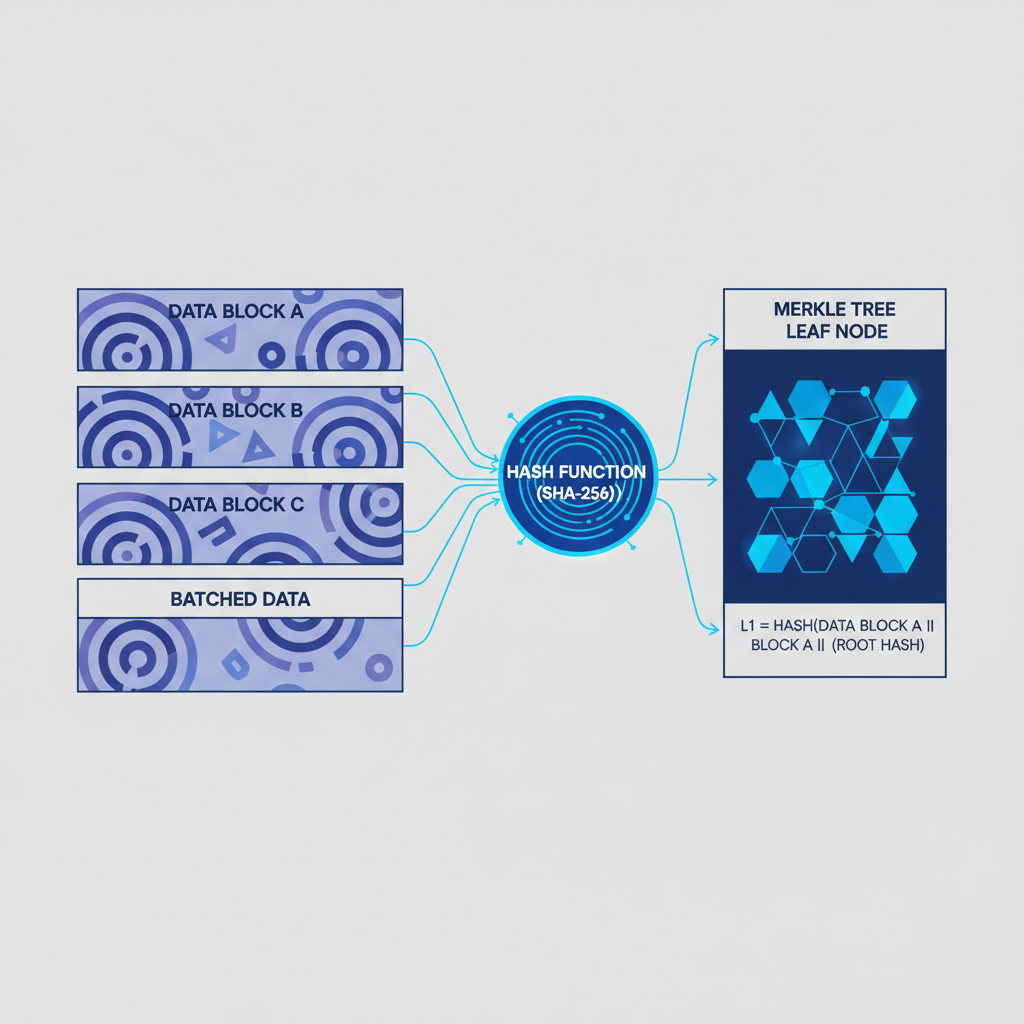
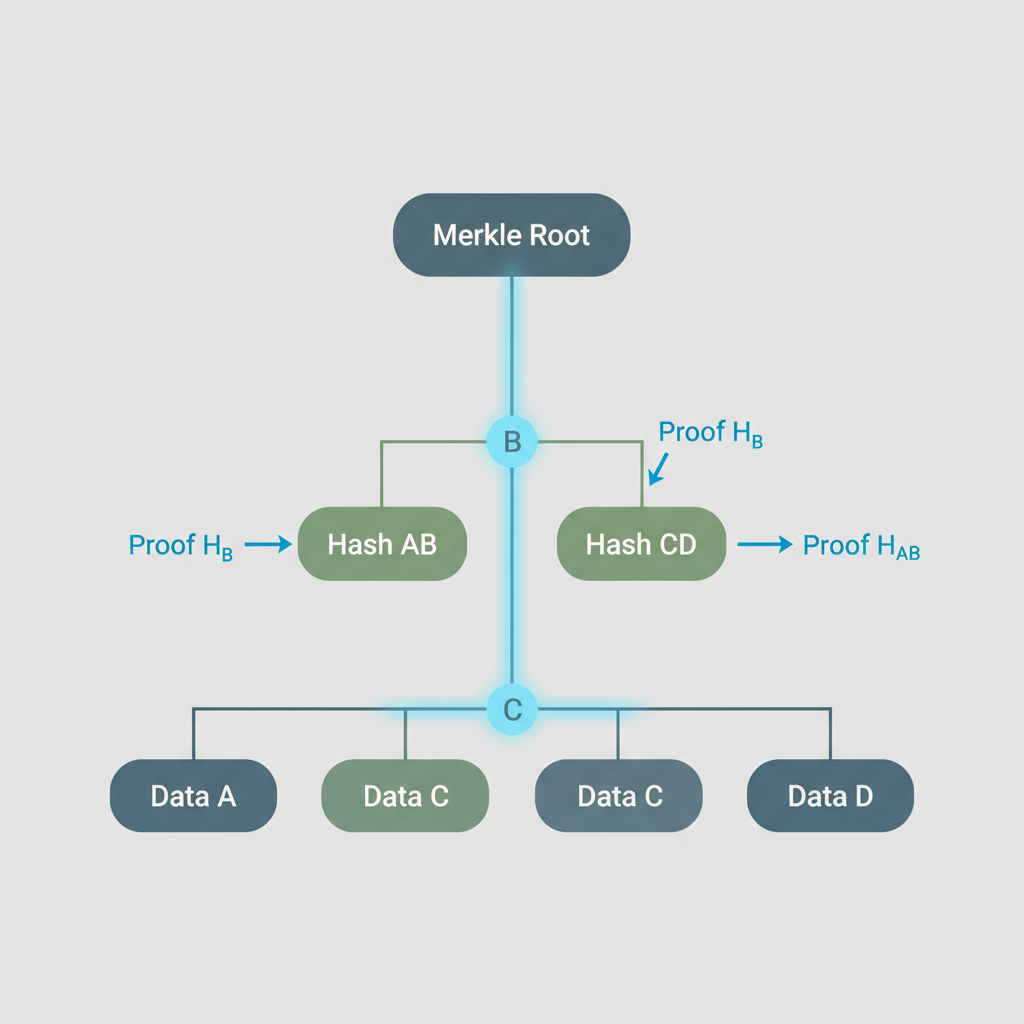
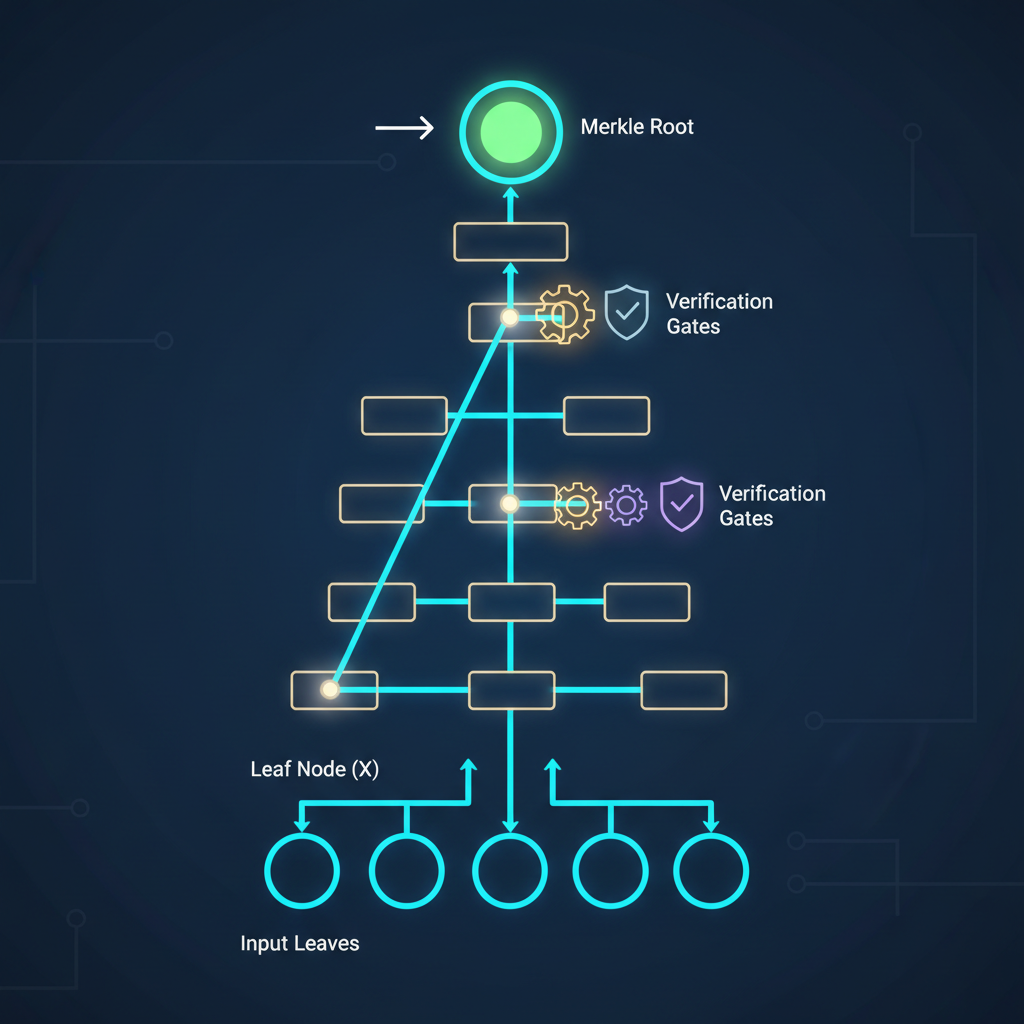
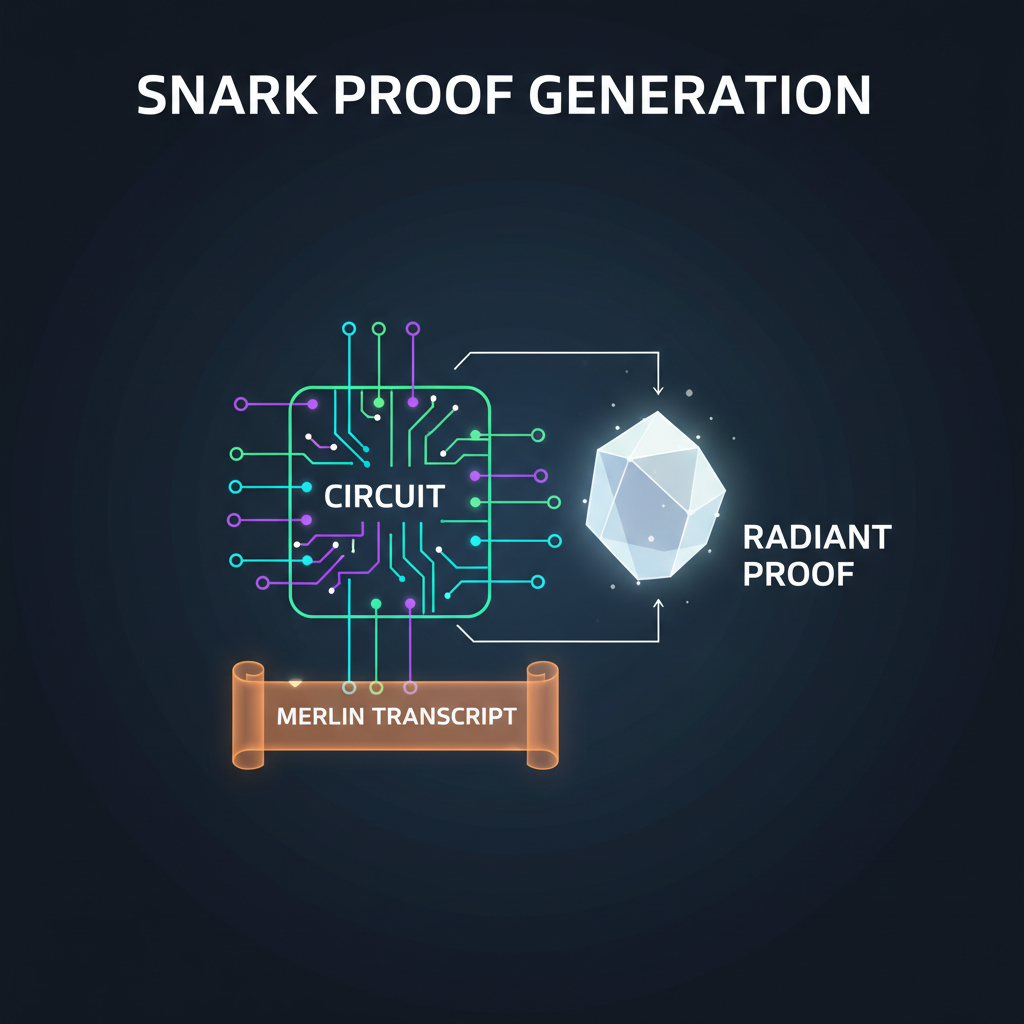
Executing this loop within an AI agent’s inference cycle binds memory to computations. Post-append, broadcast the proof root to observers, enabling dispute-free audits. In institutional settings I’ve advised, such verifiability supplanted manual audits, slashing overheads while bolstering tamper-proof zkML data integrity.
Testing demands rigor: simulate adversarial forks by tampering logs, confirming proofs reject invalids. Deploy to testnets like Mina, settling proofs for persistence. Kinic’s ICP integration adds economic incentives, rewarding truthful storage in a privacy-first marketplace. These validations affirm zkML private memory’s maturity.
Challenges persist, notably proof generation latencies for expansive models. Yet, Jolt Atlas’s BlindFold and Artemis efficiencies portend sub-second proofs, democratizing secure AI agent memory zkML. My macro lens reveals parallels to resilient bond portfolios: diversified proofs across frameworks mitigate single-point frailties.
Envision AI agents roaming decentralized ecosystems, their memories etched in cryptographic stone, fostering collaborations grounded in proven histories. This tutorial equips builders to pioneer such realms, where privacy and verifiability converge. Through zkmlai. org resources, continue refining these tools, shaping AI’s confidential future with deliberate, unassailable steps.