
What ZKML 2026 Means for Enterprise AI
Zero-knowledge machine learning (ZKML) is shifting from cryptographic research to a foundational requirement for enterprise AI. By 2026, the integration of zero-knowledge proofs with machine learning inference allows organizations to verify the integrity of AI outputs without exposing the underlying proprietary models or sensitive training data. This capability addresses a critical gap in the current AI stack: the inability to audit high-stakes decisions while maintaining strict data privacy.
The technology works by generating a cryptographic proof that a specific AI model executed correctly on a given dataset. This proof can be verified by a third party—such as a regulator or an auditor—in seconds, without requiring access to the neural network’s weights or the input data itself. This is distinct from general blockchain speculation; ZKML is an infrastructure layer designed for verifiability, ensuring that an AI’s decision-making process is transparent and tamper-proof.
For enterprises in finance, healthcare, and defense, this means deploying AI systems that are both powerful and compliant. The ability to prove that an AI has not been tampered with or biased by unauthorized data manipulation is becoming a prerequisite for adoption in regulated industries. ZKML transforms AI from a "black box" into a verifiable asset, enabling trust in automated decision-making at scale.
zKML token market analysis 2026
The ZKML token market in 2026 is defined by the tension between speculative price action and the slow rollout of enterprise-grade zero-knowledge proof infrastructure. Unlike consumer-facing meme coins, ZKML serves a specialized niche: verifying AI model outputs without exposing proprietary data. This utility creates a floor for demand, but the current price signals reflect a market still in the early adoption phase.
Current market dynamics show a consolidation pattern. Analysts project a year-end 2026 price around $0.01126, representing a slight contraction from current levels as the broader crypto market matures. This dip is not a sign of failure, but rather a recalibration as institutional players begin to test ZKML’s capabilities in controlled environments. The token’s value is increasingly tied to the success of its underlying protocol rather than broad market sentiment.
Looking ahead, the trajectory shifts from short-term volatility to long-term utility. Forecasts suggest a climb to $0.04800 by 2030, driven by the increasing regulatory pressure for AI transparency. As enterprises adopt zero-knowledge proofs to comply with data privacy laws, the demand for ZKML’s verification services will likely outpace its supply. The market is currently pricing in the risk of adoption delays, but the underlying technology remains a critical component of the next generation of secure AI.
Comparing Leading ZKML Platforms
Selecting the right infrastructure for ZKML (Zero-Knowledge Machine Learning) assets requires distinguishing between centralized exchanges (CEXs) and decentralized platforms (DEXs). In 2026, the landscape is defined by a trade-off between regulatory clarity and execution speed. Enterprise buyers typically gravitate toward regulated venues for compliance, while developers and high-frequency traders often prefer the liquidity and permissionless nature of DEXs.
Centralized Exchange Infrastructure
Major centralized platforms like Coinbase, Kraken, and Bitget provide the institutional-grade custody and fiat on-ramps necessary for enterprise adoption. These venues offer deep liquidity pools for ZKML-related tokens, reducing slippage during large transactions. Their primary advantage is regulatory compliance; they adhere to KYC/AML standards, which is often a prerequisite for corporate treasury management. However, this comes with counterparty risk and potential geographic restrictions.
Decentralized Exchange Liquidity
Decentralized exchanges such as Uniswap or specialized ZKML-focused DEXs offer non-custodial trading. Users retain control of their private keys, aligning with the self-sovereign ethos of blockchain technology. While these platforms often list a broader range of niche ZKML assets not yet available on CEXs, they present higher risks regarding smart contract vulnerabilities and lower liquidity for specific pairs. Enterprise users must weigh the operational complexity of managing wallets against the benefits of direct asset control.
Platform Comparison
The following table outlines the core differences between leading platforms for trading ZKML assets in 2026.
| Platform | Type | Custody | Regulatory Status | Liquidity Depth |
|---|---|---|---|---|
| Coinbase | CEX | Institutional | Fully Compliant (US) | High |
| Kraken | CEX | Institutional | Fully Compliant (Global) | High |
| Bitget | CEX | Proprietary | Varies by Region | Medium-High |
| Uniswap | DEX | Non-Custodial | Permissionless | Variable |
| ZKML DEXs | DEX | Non-Custodial | Permissionless | Low-Medium |
Market Data Integration
For real-time assessment of ZKML asset performance, technical analysis remains essential. Below is a live chart for the broader AI sector index to contextualize ZKML volatility against market trends.
Technical Infrastructure and Research
The transition of zero-knowledge machine learning (ZKML) from academic abstraction to enterprise-grade infrastructure is defined by a shift toward optimizing inference rather than just training. Early research focused on generating proofs for simple models, but the 2026 landscape demands systems capable of handling state-of-the-art vision models and large language models at scale. The release of frameworks like ZKML, which produce ZK-SNARKs for realistic ML workloads, marks a pivotal moment where theoretical constraints are being replaced by practical, deployable architectures.
At the core of this evolution is the integration of Fully Homomorphic Encryption (FHE) with zero-knowledge proofs. By late 2026, the "ZK-FHE Stack" has emerged as the standard for sensitive cloud computations, allowing enterprises to run AI models on encrypted data without ever exposing the underlying dataset. This combination creates an impenetrable vault for local AI, ensuring that inference happens securely within the client environment while still allowing for verification of the model's integrity. The technical complexity of this stack requires significant computational overhead, but recent optimizations have made it viable for high-stakes financial and healthcare applications.
Research institutions and open-source communities are accelerating this adoption by providing robust tooling and benchmarks. Platforms like the Worldcoin ZKML repository serve as central hubs for codebases and scientific papers, fostering a collaborative environment that drives innovation. The focus is no longer on whether ZKML can work, but on how efficiently it can be integrated into existing enterprise pipelines. As these technical foundations solidify, the barrier to entry for secure AI deployment continues to lower, paving the way for widespread institutional adoption.
Navigating ZKML Investment Risks
Investing in ZKML (ZKML) requires treating the asset class as speculative infrastructure rather than a guaranteed enterprise utility. While the technology promises verifiable AI, the market is currently dominated by early-stage projects with limited revenue streams. For example, Tracxn identifies ZKML as an unfunded company founded in 2024, highlighting the gap between academic frameworks and commercial viability. Investors must distinguish between technical potential and financial reality.
Before committing capital, audit the project’s codebase and governance. Look for open-source repositories on platforms like GitHub, such as the Worldcoin initiative, which provides a reference for how zkML implementations should function. If the core verification logic is closed-source or lacks third-party audits, the risk of obsolescence or fraud increases significantly.
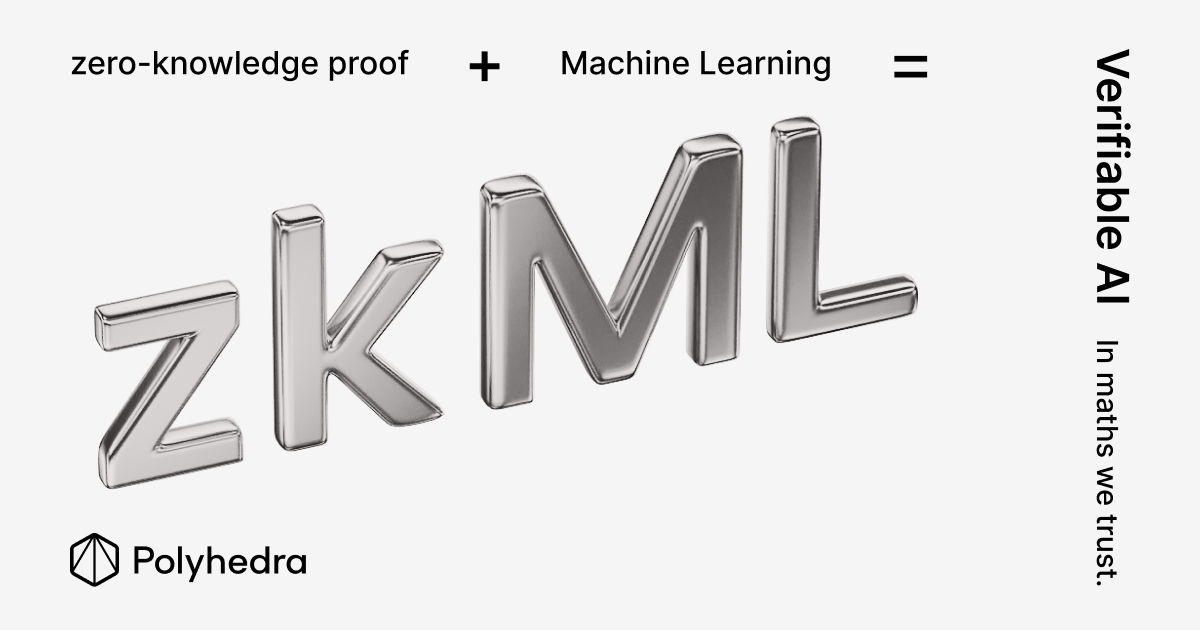
Many zkML tokens rely on speculative price predictions rather than actual usage. Avoid assets that only cite algorithmic forecasts from aggregators like CoinCodex. Instead, seek evidence of real-world integration with financial institutions or regulatory bodies. Enterprise adoption is the only metric that currently justifies long-term value in this sector.
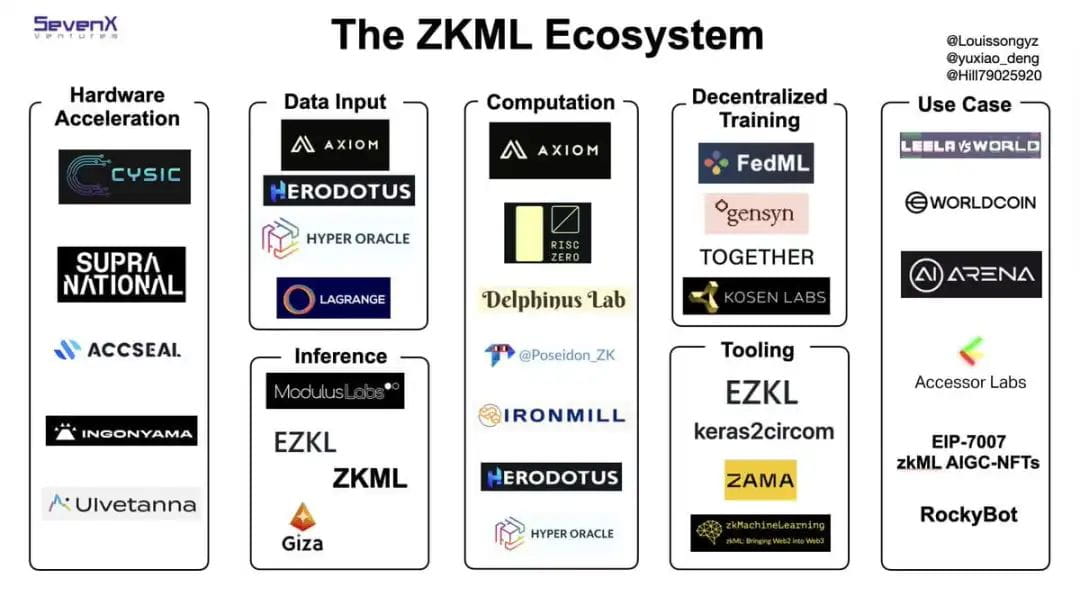
zkML operates at the intersection of AI and crypto, both of which face evolving regulatory scrutiny. Ensure the asset is listed on reputable exchanges like Coinbase or Kraken to mitigate liquidity traps. Be wary of platforms that offer high leverage on these volatile assets, as regulatory crackdowns can freeze trading pairs overnight.
The current market landscape for zkML is defined by high volatility and low institutional confidence. While some projections suggest growth, these figures are often based on generic market trends rather than project-specific fundamentals. Treat any zkML investment as a high-risk venture capital position: expect total loss of capital in exchange for the possibility of asymmetric returns. Due diligence is not optional; it is the primary defense against emerging market risks.
No comments yet. Be the first to share your thoughts!