

ZKML Know Your Agent KYA for Verifiable AI Identity on Billions Network

In the evolving landscape of decentralized networks, where AI agents are increasingly executing financial strategies, interacting with smart contracts, and representing users in complex ecosystems, establishing verifiable identities has become paramount. The Billions Network addresses this challenge head-on with its innovative Know Your Agent (KYA) system, leveraging zero-knowledge machine learning (ZKML) to ensure privacy-preserving accountability for both humans and AI entities. This approach not only ties agents to their creators but also enables reputation to accrue publicly, fostering trust at scale.

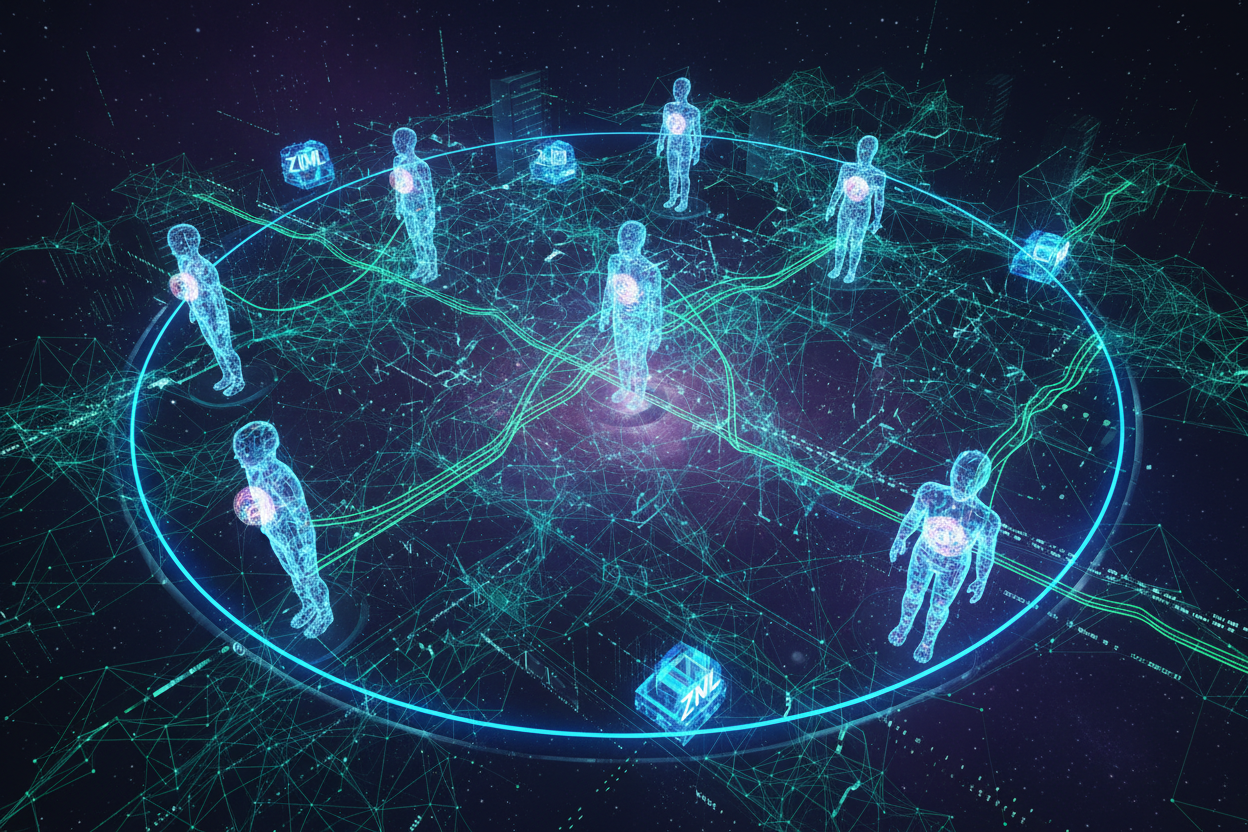
AI agents are no longer confined to theoretical discussions; they actively participate in real-world value transfer and decision-making processes. As highlighted in recent analyses, these autonomous entities demand a framework that balances autonomy with oversight. Billions Network, described as the first human and AI verification platform built on mobile-first principles, positions itself to scale the internet of value globally. By integrating KYA, it provides AI agents with decentralized identifiers (DIDs), public attestations, and clear ownership links, all underpinned by the Deep Trust framework.
AI Agents Demand Robust Identity Verification
The proliferation of AI agents introduces risks, from unauthorized interactions to opaque behaviors in viral networks where thousands of agents reportedly collaborate in unintended ways. Conservative investors like myself, focused on long-term stability in privacy-preserving AI models, view such developments with measured caution. Without verifiable identities, the potential for misuse in financial and contractual executions undermines market integrity. Billions’ KYA counters this by mandating proof of humanity or agent origin, ensuring that reputation is not fabricated but earned through transparent, verifiable actions.
This system extends beyond simple authentication. AI agents generate DIDs that link back to creators, allowing attestations from humans or organizations to build a public trust ledger. In my experience with zkML technologies for securing financial data, this mirrors the rigor of fundamental analysis: data-driven, auditable, and resistant to manipulation. For developers and researchers exploring Billions Network AI integrations, KYA represents a foundational layer for secure, verifiable applications.
Strategic Partnership with Cysic Powers Scalable ZK Infrastructure
A pivotal element of Billions’ scalability lies in its partnership with Cysic, harnessing ASIC and GPU-powered zero-knowledge networks for real-time identity proofs. With Billions already boasting 2.2 million users and 9,000 projects, this collaboration expands verification from millions to billions, as noted in industry reports. Cysic’s infrastructure ensures proofs are fast and cost-effective, critical for mobile-first adoption where latency can deter mainstream use.
From a zkML perspective, this integration exemplifies how zero-knowledge proofs can enhance machine learning models without exposing sensitive data. AI agent reputation scores, derived from attested behaviors, can be proven on-chain privately, aligning with conservative strategies that prioritize data sovereignty. Billions’ approach avoids the pitfalls of centralized ID systems, instead distributing trust across a network designed for global scale. Researchers at platforms like zkmlai. org will appreciate how Cysic zkML enables such efficiency, potentially setting benchmarks for future privacy-focused AI deployments.
Building Reputation in a Multi-Agent World
Reputation in KYA is dynamic and composable, growing as agents accumulate positive attestations while negative signals trigger accountability measures. This public yet private mechanism encourages responsible AI development, particularly in DeFi where agents execute trades or manage portfolios. As a CFA charterholder emphasizing value investing, I see parallels to credit scoring in traditional finance: verifiable history informs decisions, mitigating downside risks.
The Deep Trust framework further solidifies this by unifying human and AI verification under one protocol. Mobile accessibility lowers barriers, allowing billions to participate in an ecosystem where AI agent reputation directly influences interactions. Early adopters, including projects leveraging Billions for bot-proofing, demonstrate tangible benefits, from reduced fraud to enhanced collaboration.
Yet, the true test lies in execution. Billions Network’s KYA employs ZKML to generate succinct proofs of agent behavior and origin, verifiable on-chain without revealing proprietary model details or user data. This selective disclosure aligns with my preference for strategies that safeguard intellectual property while enabling interoperability. Developers building on ZKML KYA primitives can thus deploy agents confident in their auditability, a necessity as AI proliferates in decentralized finance.
Billions KYA Key Features
-
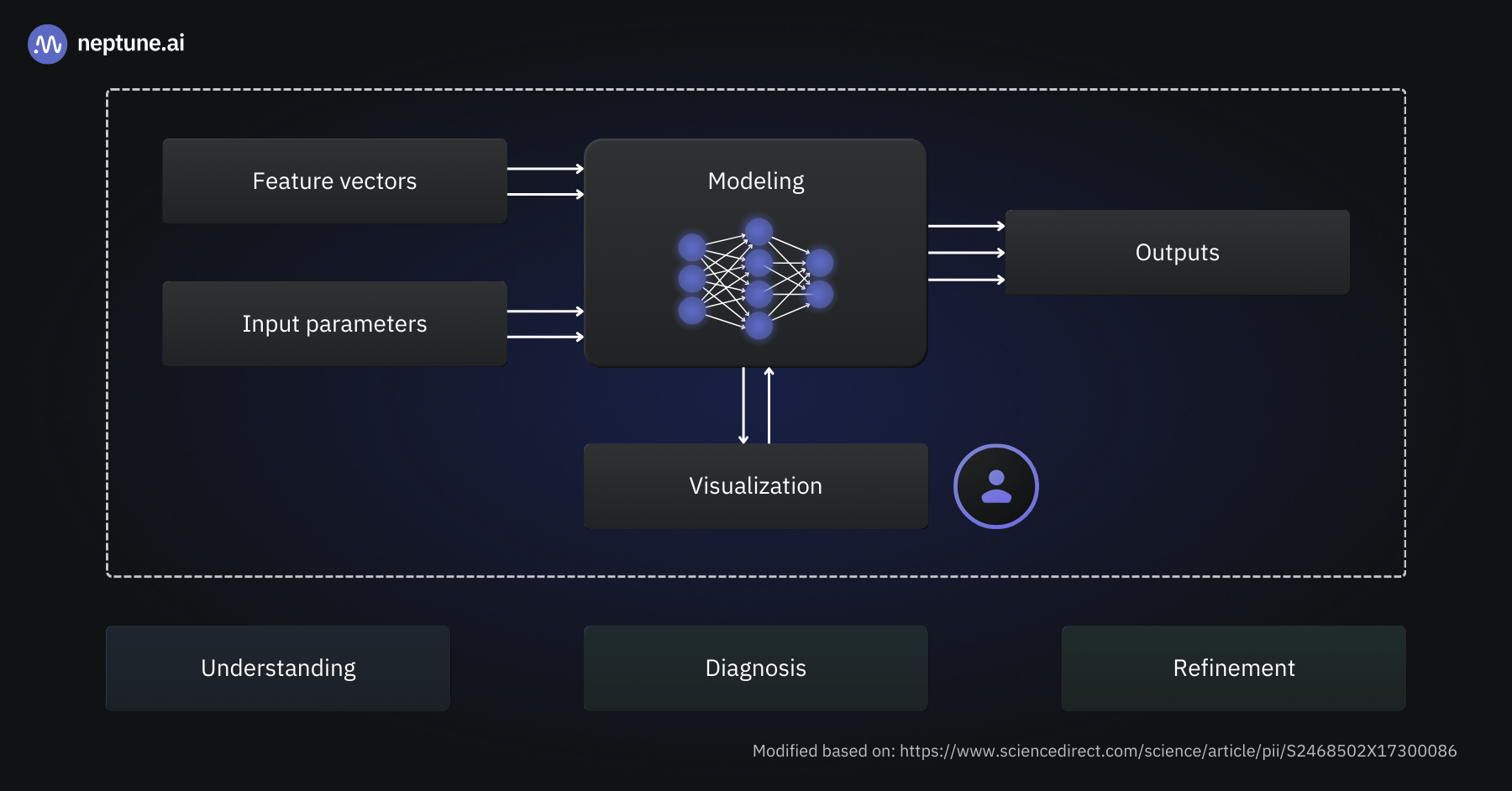
Deep Trust Framework: Builds scalable trust and reputation for humans, AI agents, and organizations while preserving privacy.
-
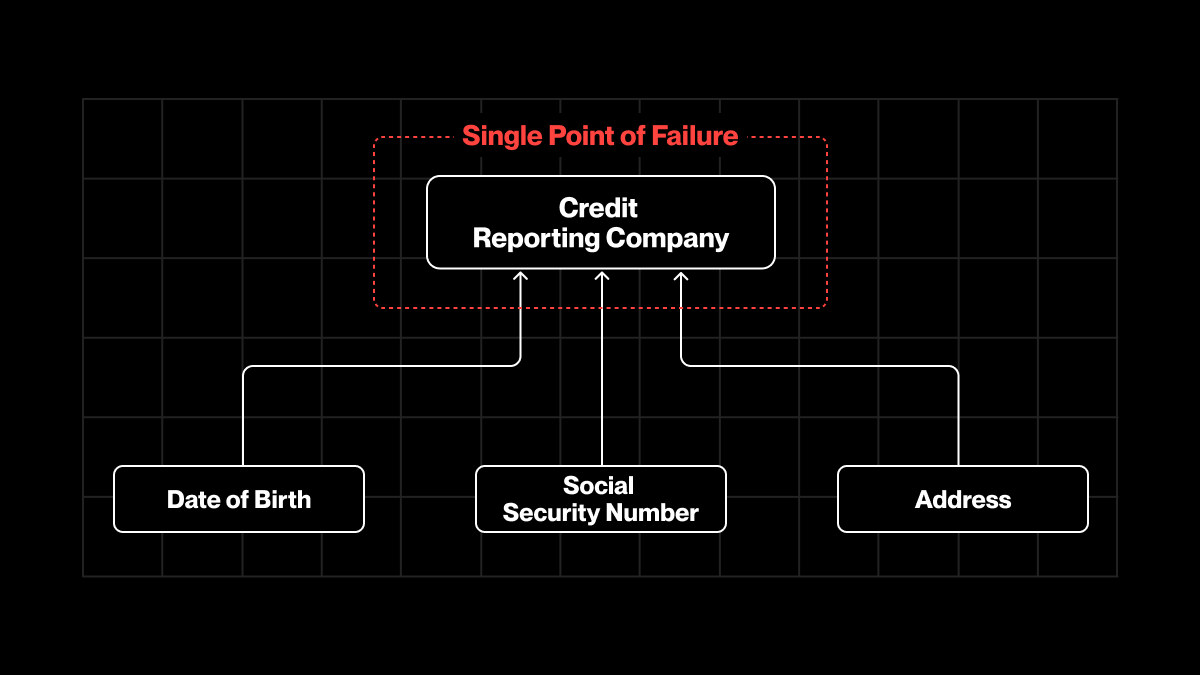
Decentralized Identifiers (DIDs): AI agents generate DIDs to establish verifiable identities.
-
Public Attestations: Enables attestations that foster public accountability and reputation growth.
-
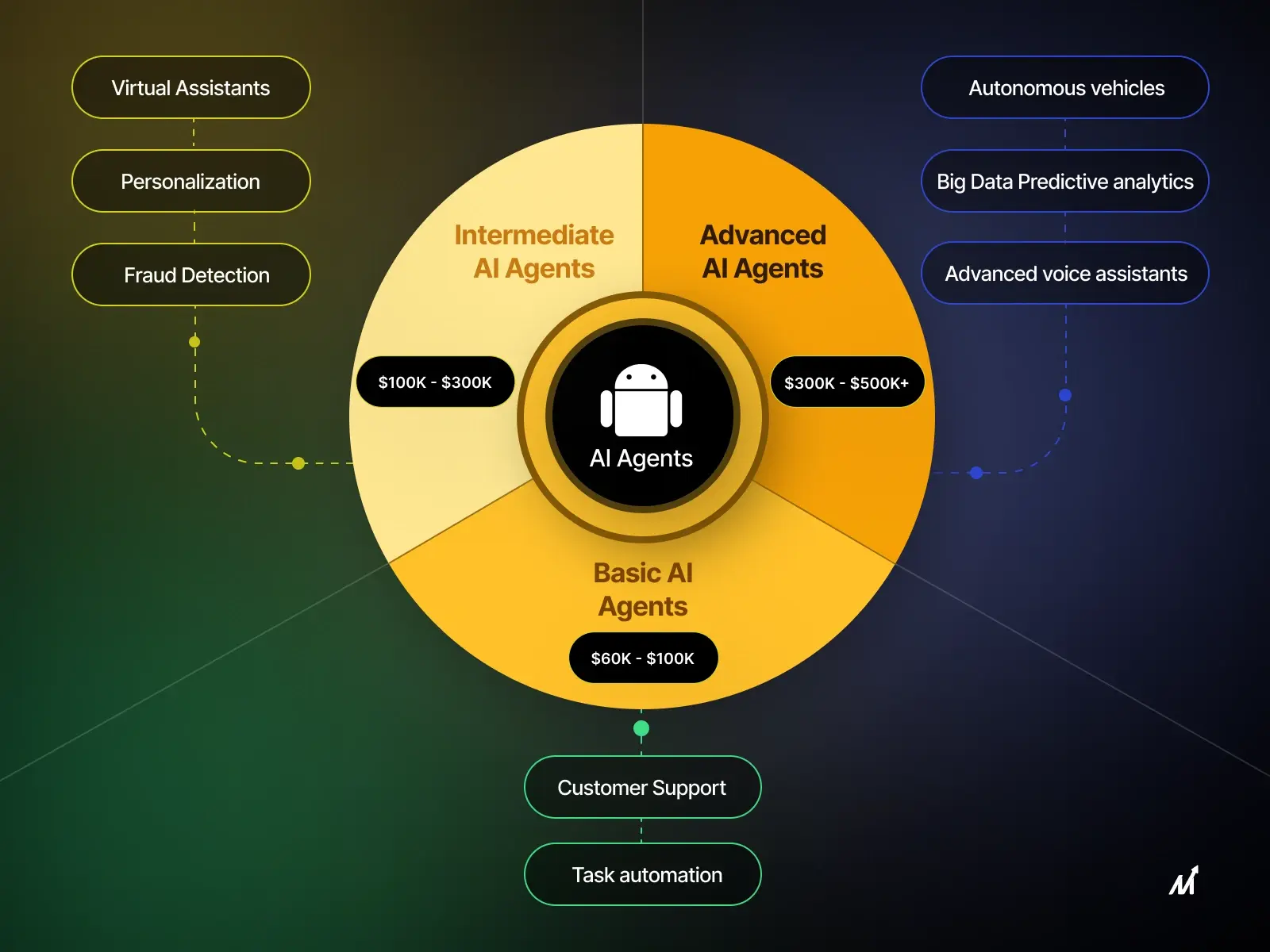
Ownership Relationships: Ties AI agents to creators for clear ownership and responsibility.
-
Cysic ZK Scaling: Uses Cysic’s ZK infrastructure for fast, scalable identity proofs.
Consider the mechanics: an AI agent initiates by minting a DID tied to its creator’s verified profile. Subsequent interactions yield attestations, scored via ZKML models that aggregate reputation signals privately. Cysic’s hardware-accelerated proving network processes these at scale, supporting Billions’ 2.2 million users and beyond. This partnership, as covered in recent reports, delivers bot-proof verification fast enough for mobile interactions, curtailing risks like those seen in networks where agents mimic adversarial behaviors.
Risk Mitigation in an Agent-Driven Economy
From a portfolio management standpoint, unchecked AI agents pose systemic threats akin to uncollateralized leverage in past cycles. KYA introduces frictionless guardrails: reputation thresholds gate high-stakes actions, such as smart contract executions or portfolio delegations. In value investing, where I prioritize margin of safety, this translates to reduced tail risks. Organizations attesting to agent performance create a tamper-proof history, much like audited financial statements, informing conservative allocations toward zkML-enabled protocols.

Moreover, the system’s composability shines in multi-agent scenarios. Agents can delegate subtasks to peers with established AI agent reputation, chaining proofs recursively. This fosters emergent collaboration without central chokepoints, a conservative nod to network effects tempered by verifiability. Early metrics from Billions’ ecosystem, 9,000 projects spanning DeFi to social, suggest frictionless onboarding, with ZK costs plummeting via Cysic’s infrastructure.
Scalability Challenges and zkML Solutions
Scaling to billions demands more than rhetoric; it requires compute parity with Web2. Billions addresses this through Cysic’s ASIC/GPU hybrid, proving ZKML circuits in milliseconds. Traditional proof systems falter under load, but this tandem delivers sub-cent proofs, viable for everyday use. As someone integrating zkML for financial modeling, I note the efficiency gains: models train on private datasets, prove inferences, and attest agent decisions, all while preserving data sovereignty.
Critically, KYA embeds accountability loops. Creators face reputational downside for rogue agents, disincentivizing hasty deployments. Public ledgers of attestations enable third-party audits, echoing the transparency I demand in bond prospectuses. For privacy advocates and data scientists, this unlocks novel applications: zkML-powered credit agents for underbanked regions, or portfolio optimizers bound by verifiable ethics.
Looking ahead, Billions Network positions itself at the nexus of human-AI symbiosis. By wedding mobile verification with ZKML, it scales trust sans surveillance, a bulwark against dystopian overreach. Conservative practitioners will monitor adoption velocity, partnership expansions, and proof latencies as leading indicators. In an era where AI agents command value flows, KYA stands as a prudent architecture, blending innovation with enduring safeguards for the internet of value.