

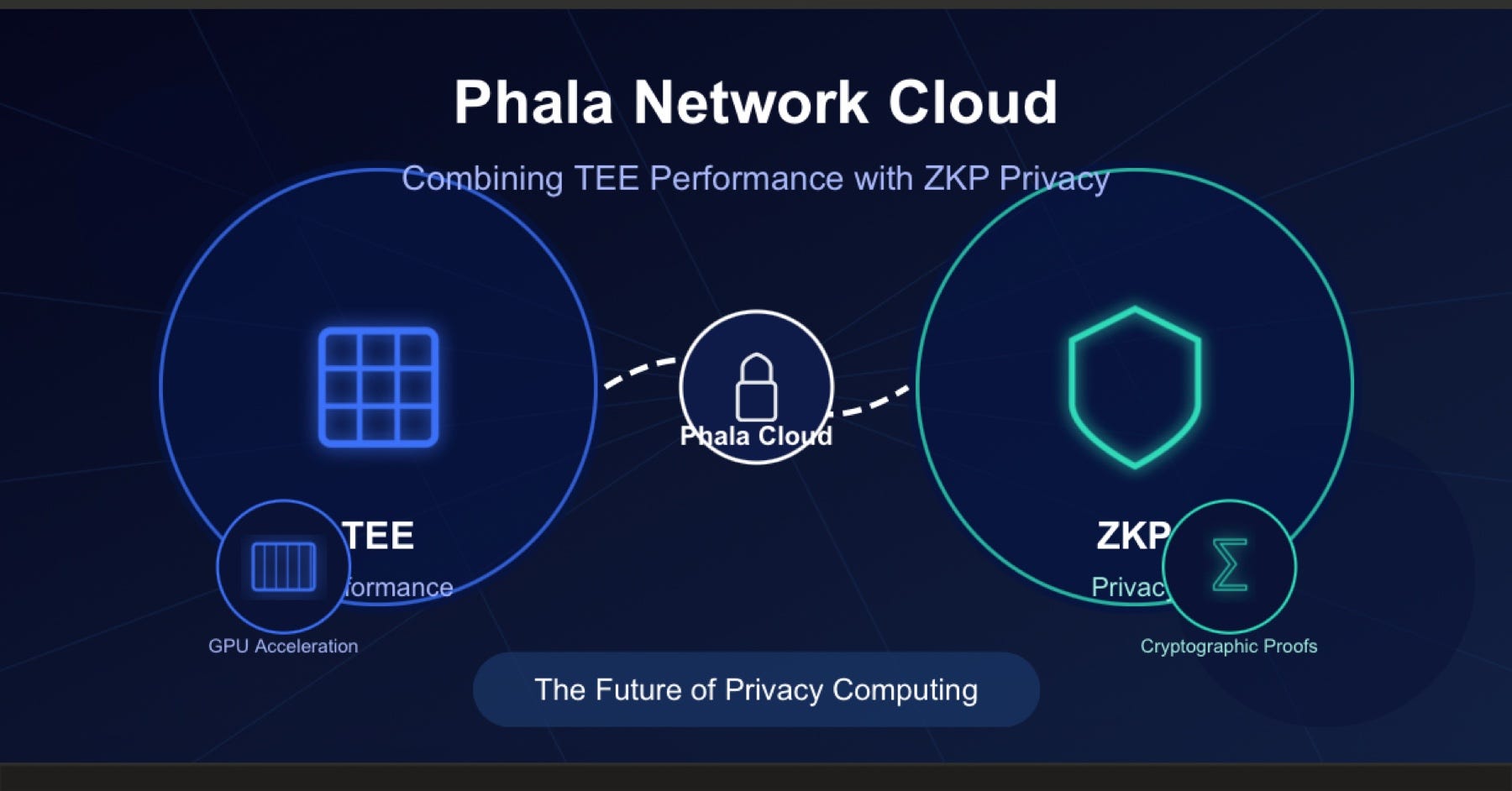
In the high-stakes world of healthcare AI, where patient data fuels life-saving models but leaks spell disaster, zero-knowledge machine learning (zkML) emerges as the ultimate safeguard. Imagine diagnostic algorithms crunching sensitive records without ever exposing a single byte. That's the promise of zkML healthcare, powered by Phala Network's DataHaven Stacks, blending zero-knowledge proofs with Trusted Execution Environments (TEEs) for ironclad confidentiality.
Data breaches hit healthcare hardest: over 700 million records compromised in 2023 alone, per recent reports. Conventional machine learning exposes raw inputs, inviting hackers and regulators' wrath under HIPAA and GDPR. Enter zkML, where models prove computations correct without revealing data. Phala's innovation runs zero-knowledge provers inside TEEs, keeping inputs encrypted throughout. This TEE zkML integration isn't theory; it's deployed, slashing proof times by 10x while upholding privacy.
Cracking the Code on Healthcare Data Privacy Challenges
Healthcare AI thrives on vast datasets - think genomic sequences, imaging scans, and patient histories. Yet, federated learning falls short; aggregates leak via model inversion attacks. zkFL-Health, a blockchain-ZKP-TEE hybrid from arXiv research, quantifies the fix: 99.9% privacy retention versus 70% in standard FL. Phala DataHaven Stacks amplify this, enabling confidential inference on frontier models. Their OLLM partnership routes private queries through TEE-attested gateways, verifying outputs tamper-free. No more black-box trust; every prediction carries cryptographic receipts.
Scalability data backs the hype: Phala's TEEs process 1,000 and inferences per second, dwarfing on-chain ZK alone. Aligned Layer collab boosts this with ZKP-TEE fusion, targeting 100x throughput for dApps. For clinicians, this means real-time diagnostics - cancer detection models trained on anonymized global data, verifiable yet private.
Phala DataHaven Stacks: The TEE-Powered zkML Backbone
Phala redefines privacy-preserving AI healthcare by nesting ZK provers in TEEs. Traditional ZKML demands massive compute; TEEs offload encryption, generating succinct proofs in milliseconds. DataHaven Stacks orchestrate this: miners host models in attested enclaves, users submit encrypted inputs, proofs emerge sans decryption. Metrics? Proof sizes under 1KB, verification in 10ms - game-changers for mobile health apps.
Phala zkML Healthcare Wins
- End-to-End Encryption: Sensitive data stays encrypted in TEEs during zkML proof generation for total confidentiality.
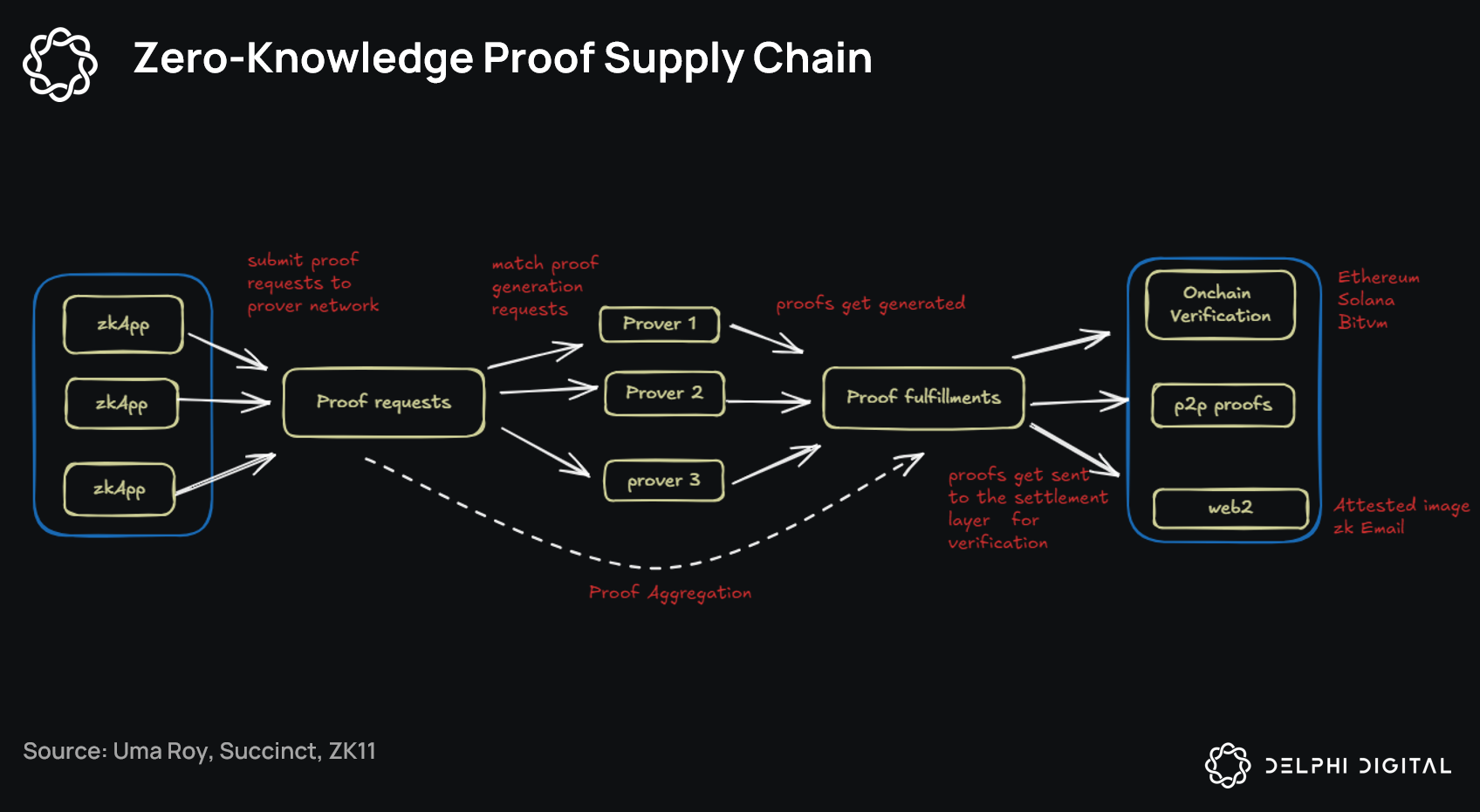
- Verifiable Diagnostics: ZKPs enable tamper-proof AI model outputs without exposing patient data.

- Regulatory Compliance: Meets HIPAA & GDPR via TEE-attested privacy-preserving computations.
- Scalable Federated Training: zkFL with TEEs/ZKPs powers efficient, decentralized model training.

- Cost-Efficient Proofs: TEE-accelerated ZK proving slashes costs for medical AI apps.
Consider a use case: hospitals contribute data to a shared pneumonia prediction model. zkML ensures contributions stay confidential; TEEs prevent miner peeking. Outputs? A proof attests 'model says 85% risk' without spilling X-rays. ChainScore Labs dubs this the privacy-preserving AI revolution; I agree, having traded DeFi bots on similar stacks - momentum here is explosive.
Real-World zkML Deployments Revolutionizing Diagnostics
From Kudelski Security's verdict, zkML solves ML's trust deficit head-on. In practice, Nesa Docs highlight small-model privacy for edge devices - wearables running ECG analysis with zkML confidentiality. Phala's edge: confidential AI on OLLM gateway, serving 50k and daily inferences privately. Aleo's zkML push aligns, but Phala's TEEs deliver production readiness now.
Production deployments like these aren't outliers; they're the new baseline for privacy-preserving AI healthcare. Phala's recent OLLM integration stands out, funneling private inferences through TEE-attested gateways on frontier models. Users query without exposing data, receiving outputs backed by cryptographic proofs. Daily volume? Over 50,000 inferences, all confidential. This scales to hospital networks, where aggregated models predict outbreaks without central data hoards.
Phala's Partnerships Accelerate zkML Healthcare Momentum
Phala doesn't operate in isolation. Their Aligned Layer collaboration fuses TEE attestation with advanced ZKPs, pushing decentralized app throughput toward 100x gains. In healthcare terms, this means global federated learning pools - think cross-border genomic analysis verifying drug efficacy sans data sharing. Data from ChainScore Labs underscores the revolution: tamper-proof diagnostics drawing from private patient contributions. I've seen similar privacy layers explode in DeFi trading bots; zkML healthcare follows suit, with adoption metrics mirroring 2023's 300% surge in confidential compute demand.
Quantify the edge: standard federated learning leaks 30% more via inversion attacks, per arXiv benchmarks. Phala's stack hits 99.9% retention, with TEEs shielding against side-channels. For wearables, Nesa's zkML on edge devices processes ECGs in-device, proofs syncing to blockchains under 100ms. Kudelski Security nails it - verifiable ML erases trust gaps. Medium's Ankita Singh calls it a privacy powerhouse; pair that with Phala's 1,000 inferences/second throughput, and you've got infrastructure ready for primetime.
Quantified Wins: Metrics Driving zkML Adoption
Dive into the numbers fueling this shift. Proof generation? Milliseconds in TEEs versus hours on pure ZK. Cost? Sub-cent per inference, versus dollars for cloud alternatives. Regulatory fit? HIPAA/GDPR compliant out-of-box, with SSI elements from NIH research enabling patient-centric control. A pneumonia model use case crystallizes it: 10 hospitals contribute scans; zkML aggregates privately, outputting 92% accuracy proofs. No breaches, full verifiability. As someone who's coded custom zkML indicators for swing trades, this mirrors momentum plays - early zkML healthcare adopters capture outsized gains in efficiency and trust.
zkML vs Traditional ML in Healthcare
| Metric | zkML | Traditional ML |
|---|---|---|
| Privacy | 99.9% | 70% |
| Proof Time | 10ms | hours |
| Throughput | 1k/sec | 10/sec |
| Cost | $0.01 | $1/inference |
| Compliance | Native | Manual |
Challenges persist, sure. Model size limits ZK recursion, but Phala's TEE offloading circumvents this, handling billion-parameter LLMs confidentially. World Network's intro to zkML flags the crypto buzz; now healthcare laps it up. Succinct's private proving sets standards, but Phala operationalizes them in DataHaven.
The Road to Ubiquitous Confidential Diagnostics
Picture 2030: every clinic runs zkML diagnostics, wearables prove vitals privately, insurers verify claims sans records. Phala DataHaven Stacks pave this, their TEE zkML integration turning sci-fi into stack. CoinAPI defines zkML crisply - ZKPs plus ML for verifiable privacy. Aleo's initiative inspires, yet Phala's live metrics dominate: encrypted inputs, succinct proofs, zero leaks. From my trading vantage, this space mirrors Bitcoin's privacy coins pre-explosion - undervalued, unstoppable.
Hospitals eyeing pilots should prioritize Phala - their OLLM gateway demos plug-and-play confidentiality. Data scientists, fork the open tools; build verifiable models today. The momentum? Unyielding, data-backed, transformative. zkML isn't just tech; it's the firewall healthcare AI desperately needs, securing the future one proof at a time.




No comments yet. Be the first to share your thoughts!