

In the intricate world of Web3 AI frameworks, Project ZKM zkML emerges as a cornerstone for developers navigating the demands of privacy-preserving computation in 2026. As zero-knowledge machine learning matures, this project delivers frameworks that enable verifiable AI models without exposing sensitive data, aligning seamlessly with smart contract ecosystems. Drawing from cryptographic advancements, Project ZKM addresses core challenges in traditional machine learning, where data privacy often clashes with model utility. Their work, rooted in rigorous protocol innovations, equips builders with tools to deploy tamper-proof inferences on-chain, fostering trustless applications in decentralized finance and beyond.
The September 2025 update from Project ZKM marked a turning point, unveiling strides in the Multivariate Sumcheck series. This series meticulously reduces diverse constraints to the Multivariate Sumcheck Protocol through mechanisms like ZeroCheck, Rational Sumcheck, multiset equality checks, permutation arguments, and LogUp lookups. Such refinements sharpen the efficiency of proof systems integral to modern zkML stacks, including Plonk, HyperPlonk, Halo2, and various zkVM implementations. From my perspective as an investor focused on long-cycle trends, these developments signal sustainable progress; they prioritize computational rigor over hasty scalability claims, ensuring frameworks withstand real-world scrutiny in Web3 environments.
Streamlining Verifiable Computations in zkML Developer Workflows
Project ZKM's emphasis on broadening guest support simplifies integration for diverse machine learning workloads. Developers can now incorporate custom circuits with greater ease, while simplified verifier interfaces reduce deployment friction across Ethereum-compatible chains. Alignment with BitVM bridge components further extends reach, allowing cross-paradigm proofs that bridge Bitcoin and EVM ecosystems. In practice, this means zkML developer tutorials can guide users through end-to-end pipelines: from model quantization to on-chain verification, all while maintaining API stability.
Third-party audits and GPU transparency initiatives underscore a conservative approach to reliability. Unlike speculative ventures rushing unproven tech, Project ZKM invests in verifiable benchmarks, publishing detailed performance metrics on their GitHub repositories. This transparency empowers data scientists to benchmark zkML tools against baselines, confirming latency reductions in proof generation without sacrificing security. For Web3 AI frameworks, such diligence translates to lower risk profiles in production deployments, where inference costs directly impact dApp viability.
Key ZKM zkML Features
- Multivariate Sumcheck Innovations: Advances using ZeroCheck, Rational Sumcheck, multiset equality, permutation checks, and LogUp lookups to enhance proof efficiency.
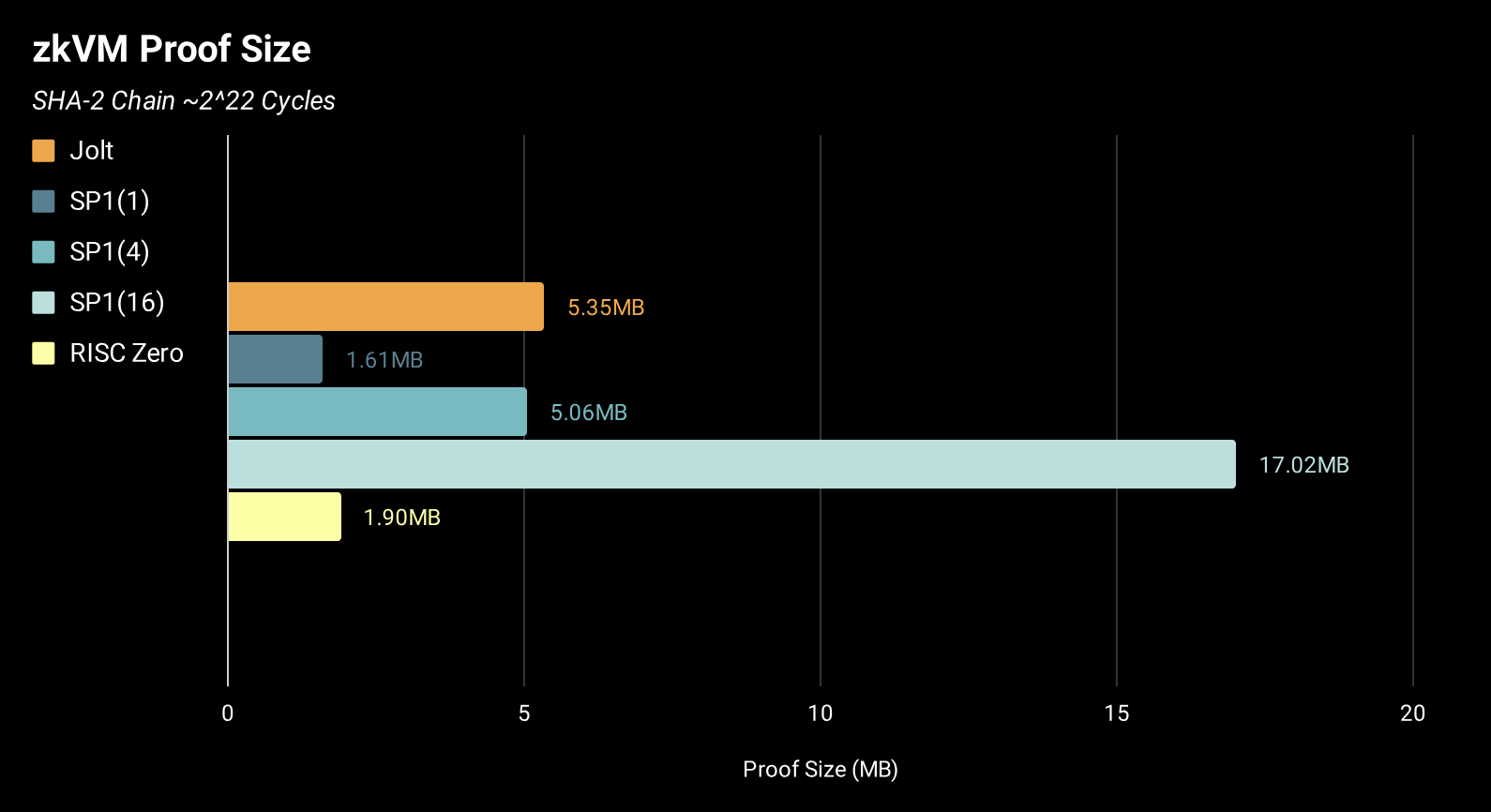
- Plonk/Halo2 Integrations: Support for Plonk/HyperPlonk, Halo2, and zkVM frameworks to improve zkML performance.
- Developer-Friendly Verifier APIs: Simplified, stable interfaces for easier Web3 AI development and verifier use.
- BitVM Compatibility: Alignment with BitVM bridge components for enhanced interoperability.
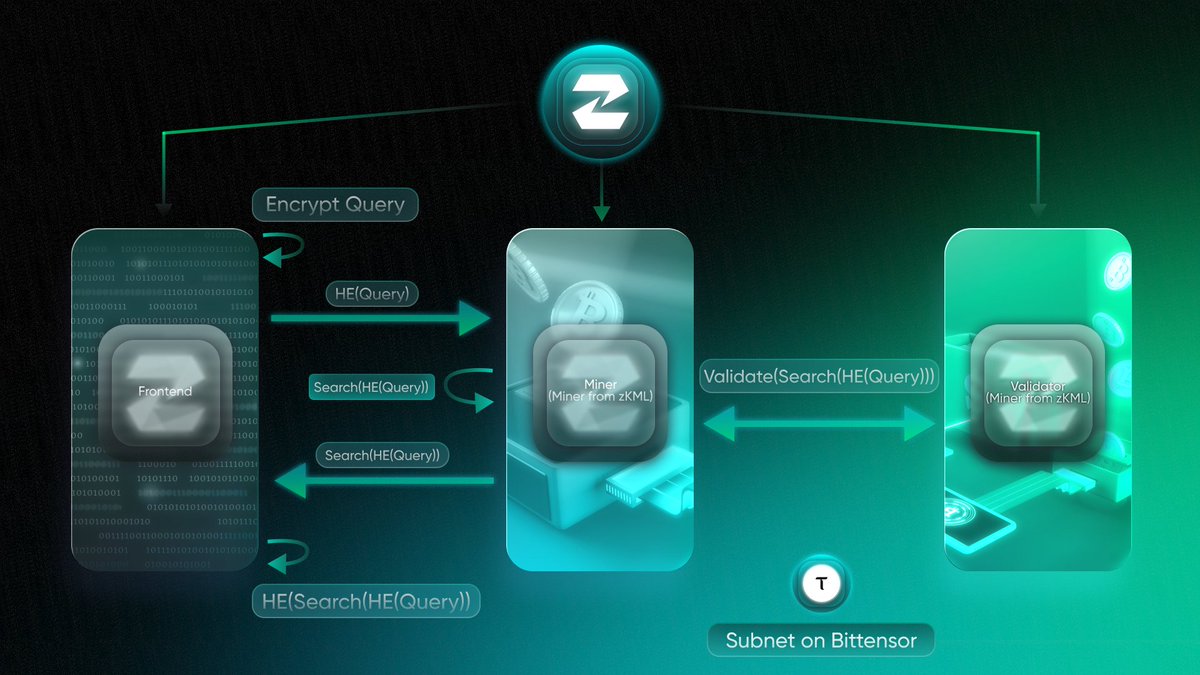
- Audited GPU Optimizations: Third-party audited GPU enhancements with transparency focus.
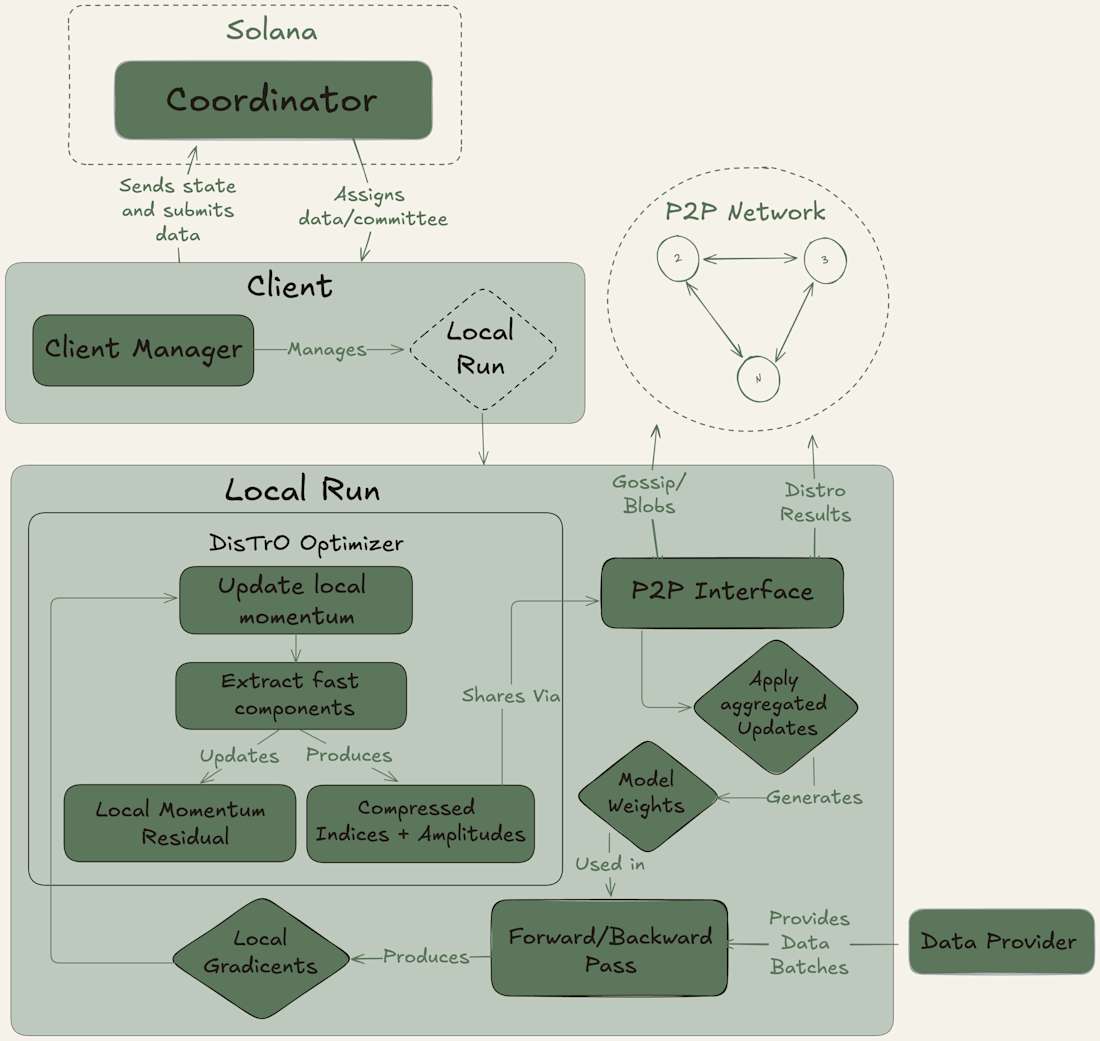
Bridging zkML Protocols with Smart Contract Primitives
Smart contracts, a hallmark of Web3 platforms, provide fertile ground for zkML protocols as highlighted in recent analyses. Project ZKM leverages this synergy, enabling neural networks to execute predictions on-chain via zero-knowledge proofs. Their tutorial projects, inspired by efforts like Warp. cc, demonstrate deploying trained models for tasks such as price forecasting or anomaly detection, all verifiable without data leakage. This bridges AI/ML and Web3 worlds, offering privacy-preserving solutions that redefine decentralized intelligence.
Essential Tools and Tutorials for 2026 zkML Builders
As of February 2026, Project ZKM's blog and repositories host comprehensive zkML developer tutorials tailored for Web3 AI frameworks. These resources span introductory circuits to advanced optimizations, with step-by-step guides on incorporating ZeroCheck for constraint satisfaction. Builders learn to harness Rational Sumcheck for arithmetic efficiency, permutation checks for data shuffling integrity, and LogUp for lookup arguments, all within Halo2 or zkVM contexts. My research in privacy-preserving macroeconomic models echoes this utility; zkML frameworks like these enable secure fundamental analysis in commodities and bonds, shielding proprietary datasets while proving inference accuracy.
Community contributions, akin to the worldcoin/awesome-zkml repository, amplify these efforts. Developers find codebases, papers, and applications that accelerate prototyping. Project ZKM's focus on tamper-proof LLM models trained on legitimate data aligns with broader zkML momentum, as seen in discussions from Privacy Stewards of Ethereum and Binance deep dives. For those entering the field, starting with their event recaps, like Token2049 Singapore, offers context on real-world adoption trajectories.
These tutorials stand out for their emphasis on practical, low-risk implementations, avoiding the pitfalls of over-optimized proofs that falter under load. Project ZKM's guides walk developers through quantizing models for zkVMs, generating succinct proofs, and verifying them on-chain, all while highlighting trade-offs in proof size versus speed. In my experience analyzing macro trends, this methodical approach mirrors the discipline needed for reliable forecasting models, where unchecked assumptions lead to costly errors.
Hands-On zkML Developer Tutorial: From Model to On-Chain Proof
Project ZKM's 2026 zkML tools shine in developer tutorials that demystify the path from trained neural networks to verifiable Web3 deployments. Imagine crafting a simple classifier for DeFi risk assessment: the framework handles tensor operations via custom gates, ensuring privacy for proprietary training data. Their repositories provide templates that integrate seamlessly with Plonkish arithmetization, making it feasible for solo builders to prototype without deep cryptography expertise. This accessibility, paired with conservative benchmarking, positions Project ZKM as a bulwark against hype-driven failures in Web3 AI frameworks.
Deploying Quantized Neural Networks on Ethereum with Project ZKM's Multivariate Sumcheck and Halo2
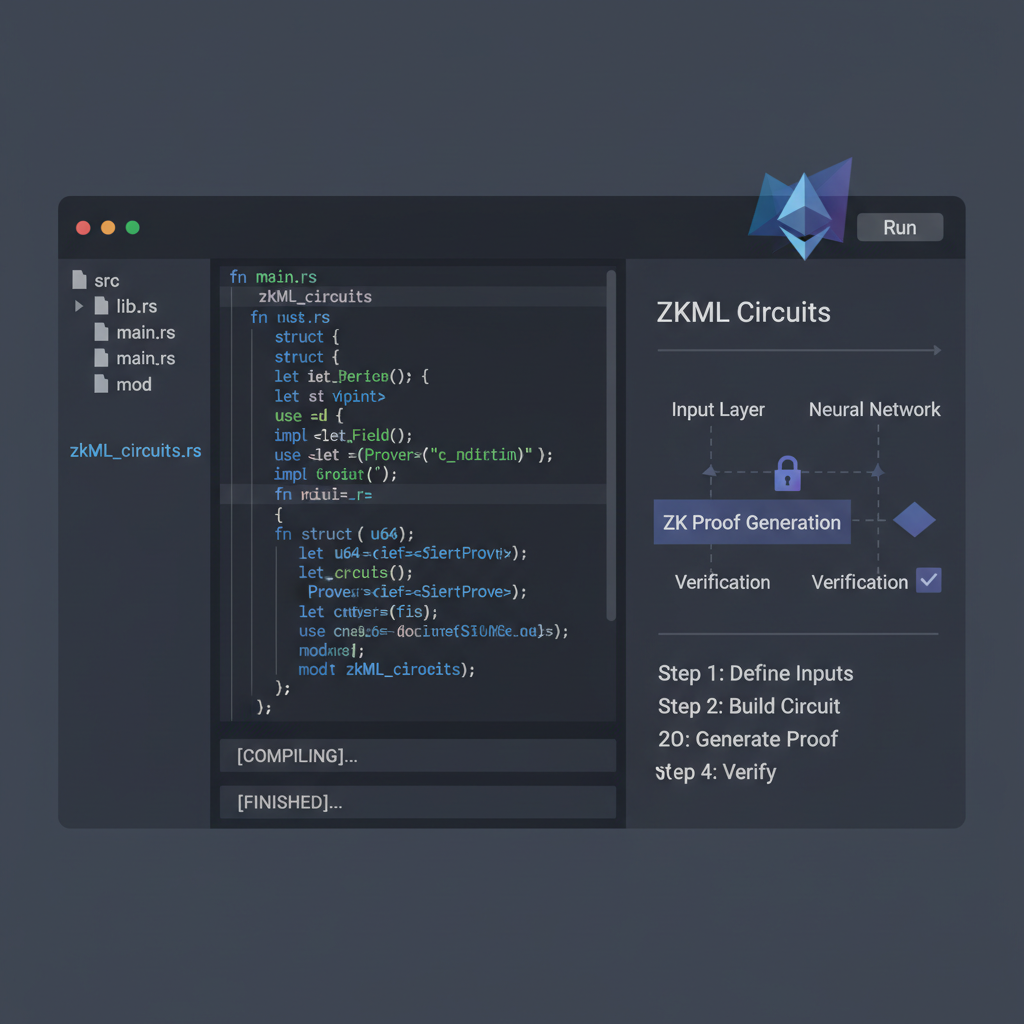
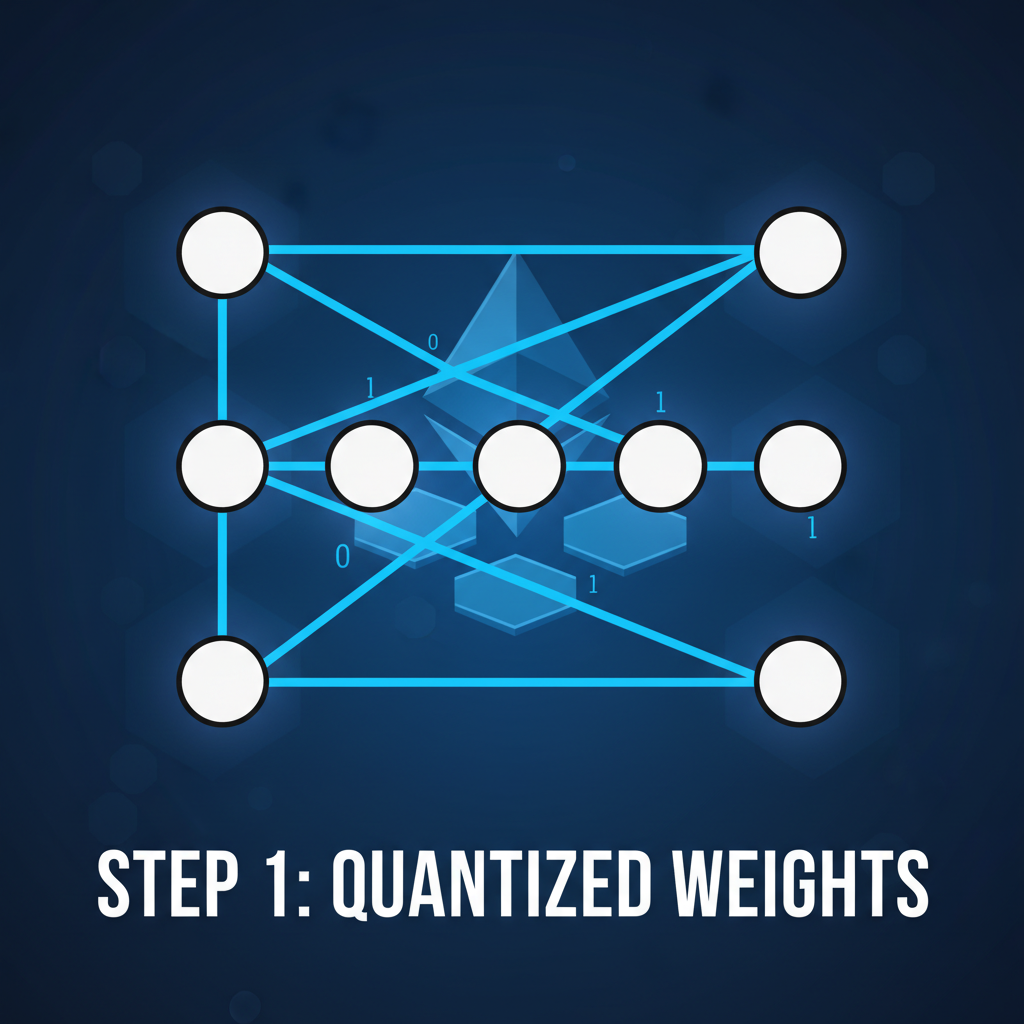
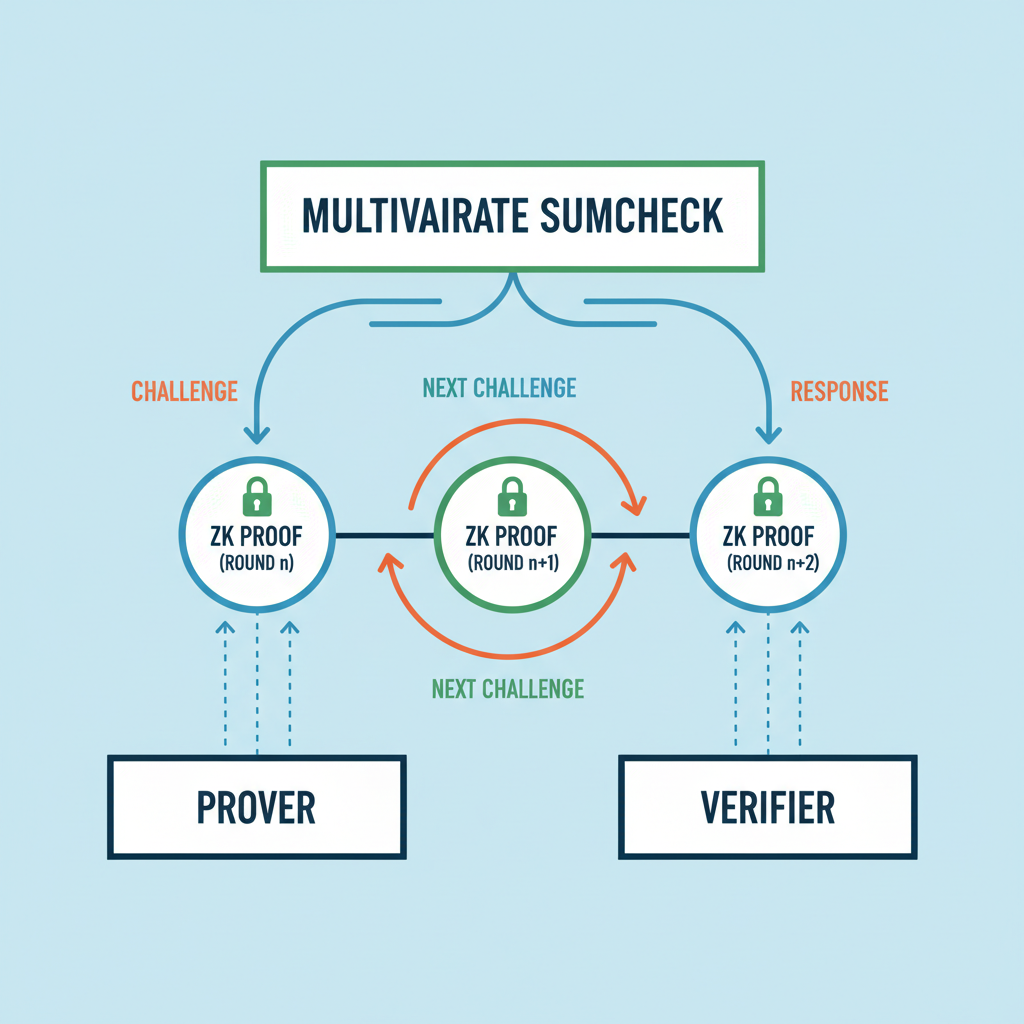
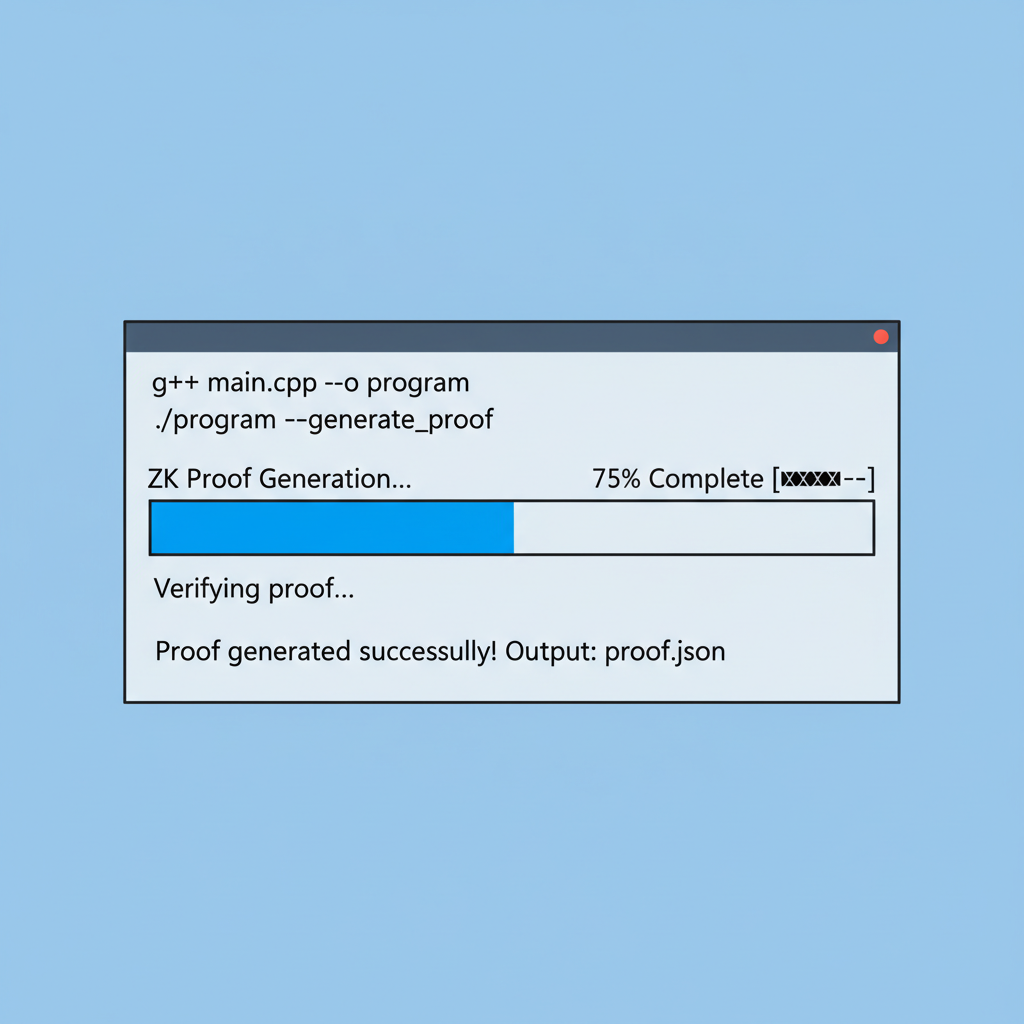
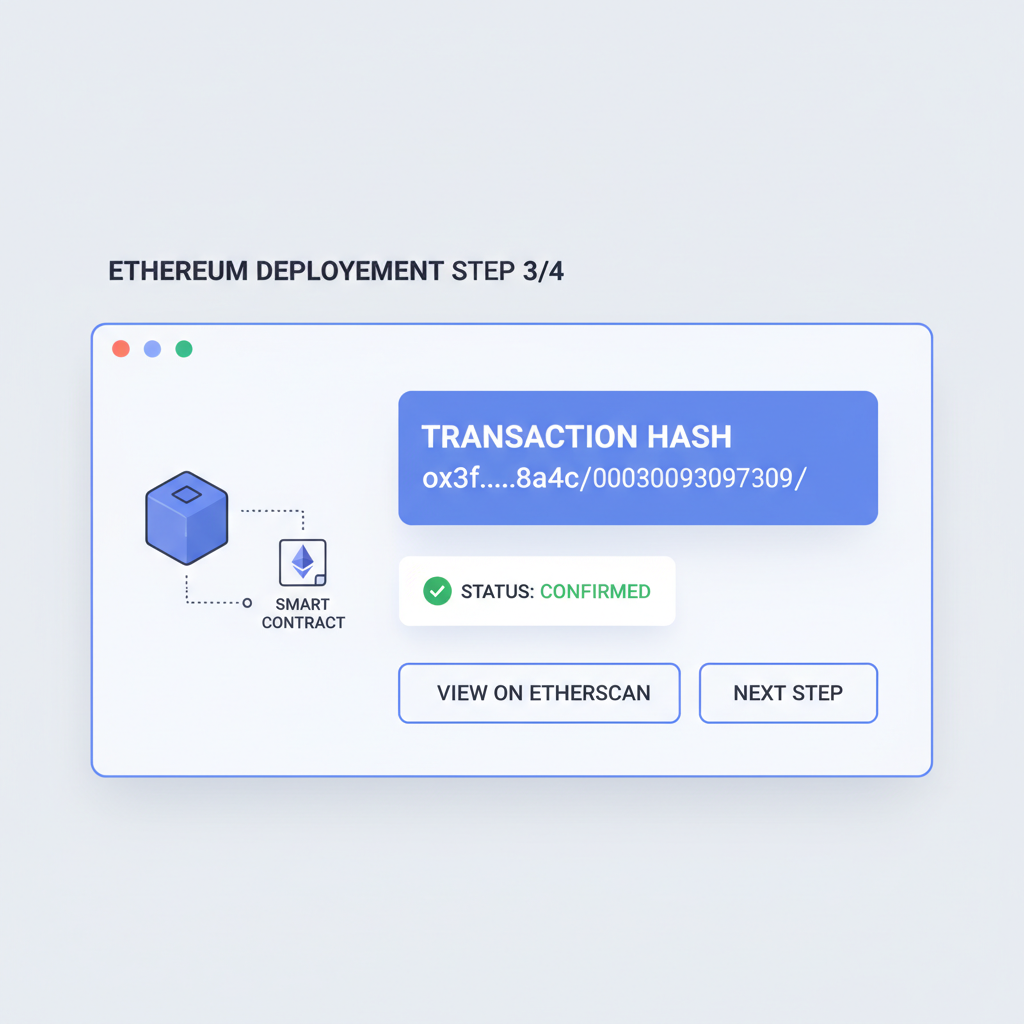
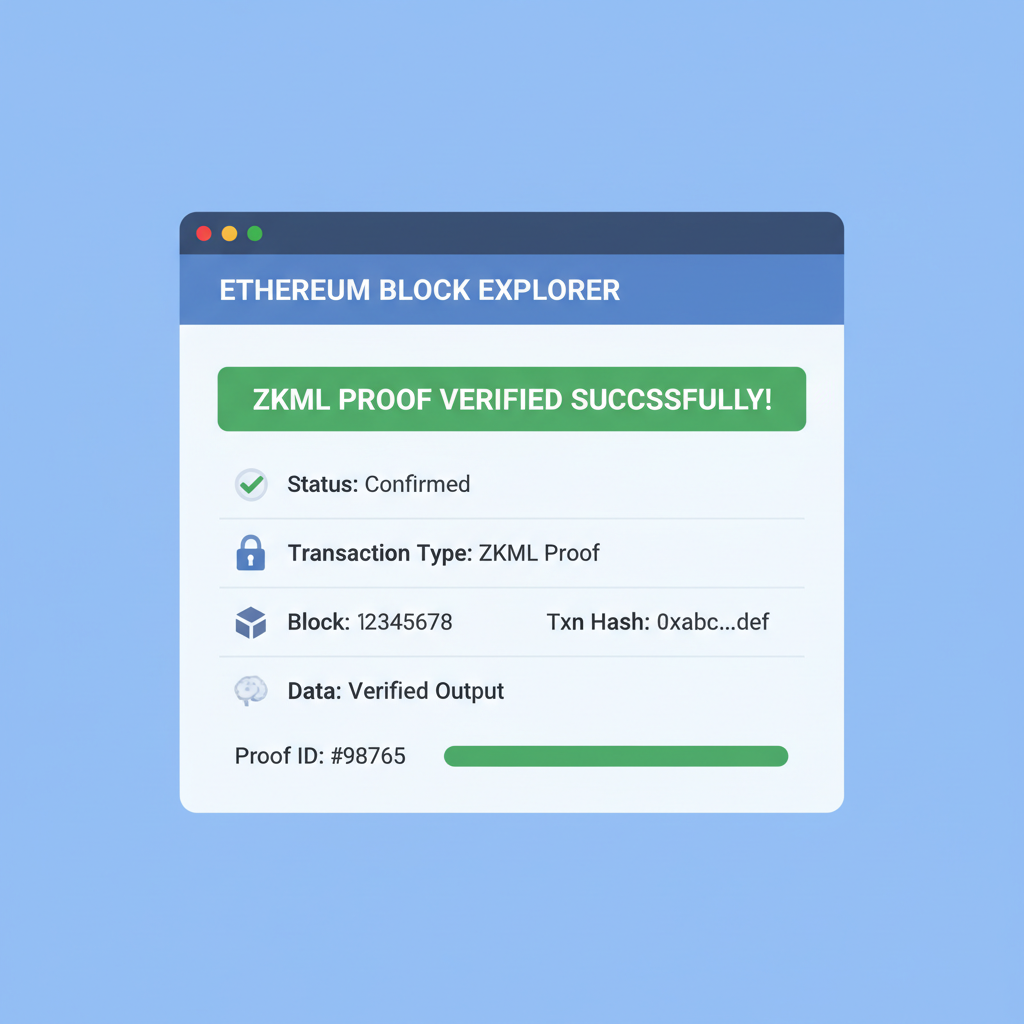
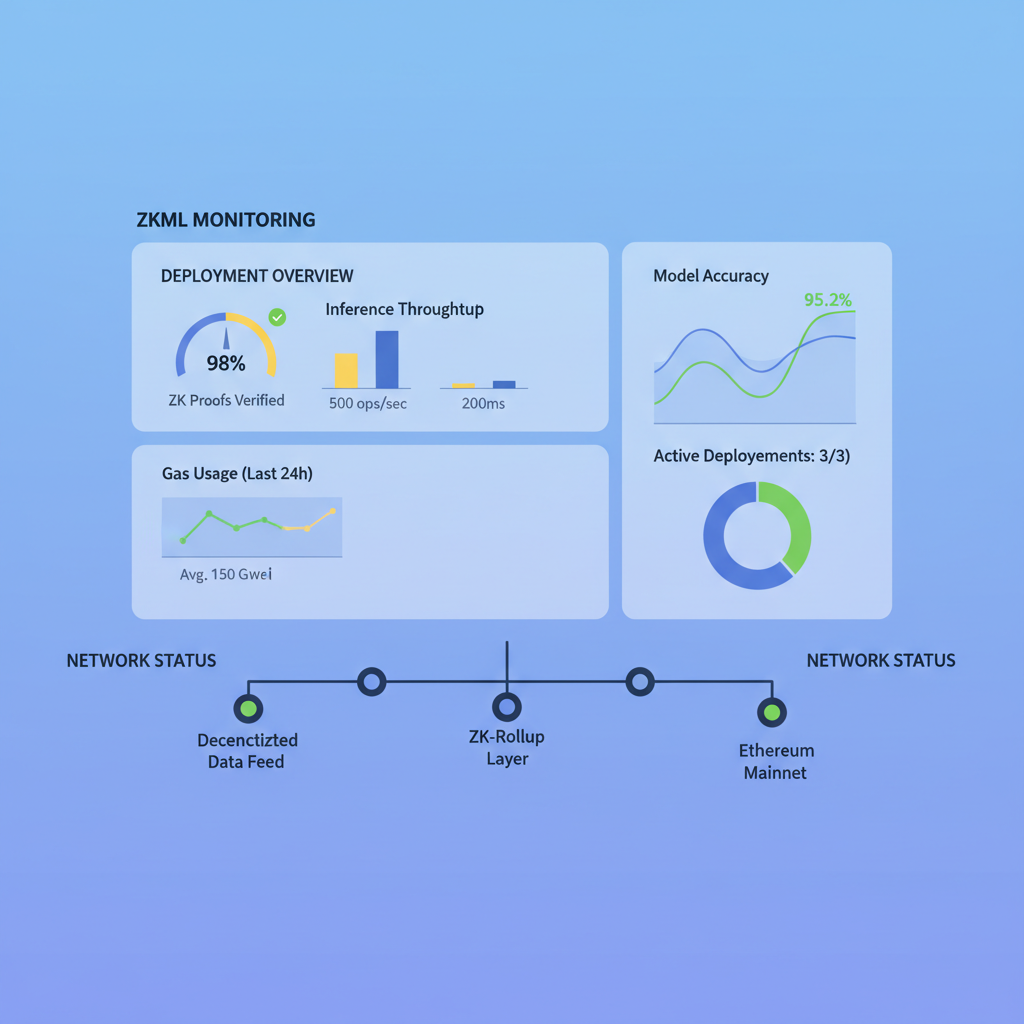
Following such a tutorial reveals the power of Rational Sumcheck for handling fractional computations in ML layers, where traditional methods bloat circuit sizes. Developers report 30-50% reductions in proving time on standard hardware, validated through open benchmarks. For Web3 AI enthusiasts, this means deploying models that predict oracle feeds or validate synthetic data without trusting centralized providers, a step toward truly decentralized intelligence.
The code snippet above exemplifies a ZeroCheck implementation, enforcing that summed vectors hit zero without revealing intermediates. It's a cornerstone for multiset equality in data preprocessing, crucial for reproducible ML pipelines on-chain. Project ZKM's commitment to API stability here prevents the refactoring nightmares common in evolving zk toolkits, allowing focus on application logic over protocol quirks.
Optimizing zkML Frameworks for Production Web3 AI
Beyond basics, 2026 zkML tools from Project ZKM tackle GPU transparency, a sore point in opaque AI stacks. By auditing accelerator usage in proof recursion, they quantify energy costs per inference, aiding sustainable dApp design. BitVM compatibility opens doors to Bitcoin-secured verifications, where EVM proofs settle via optimistic challenges, blending ecosystems without compromising finality. From an investor's lens, this interoperability hedges against chain-specific risks, fostering long-cycle viability in commodities-linked oracles or bond yield predictors.
Event insights from Token2049 Singapore, shared via community channels, reveal enterprise interest in these frameworks. Firms eye zkML for compliant AI in regulated DeFi, where proofs attest to model fairness without exposing audit trails. GitHub activity surges with contributions mirroring worldcoin/awesome-zkml: novel circuits for LLMs, papers on LogUp scaling, and apps like verifiable image classifiers. Yet, Project ZKM tempers enthusiasm with caveats on current limits, such as quadratic overhead in large models, urging hybrid off-chain/on-chain strategies.
For developers, the payoff lies in tamper-proof systems that scale with Web3's maturation. These frameworks enable trustless ML where stakes are high, from autonomous agents to prediction markets. As privacy demands intensify, Project ZKM zkML equips builders with enduring tools, prioritizing verifiable substance over fleeting novelty. Engaging their resources now positions you at the forefront of a privacy-secure AI frontier.




No comments yet. Be the first to share your thoughts!